



.png)
.png)
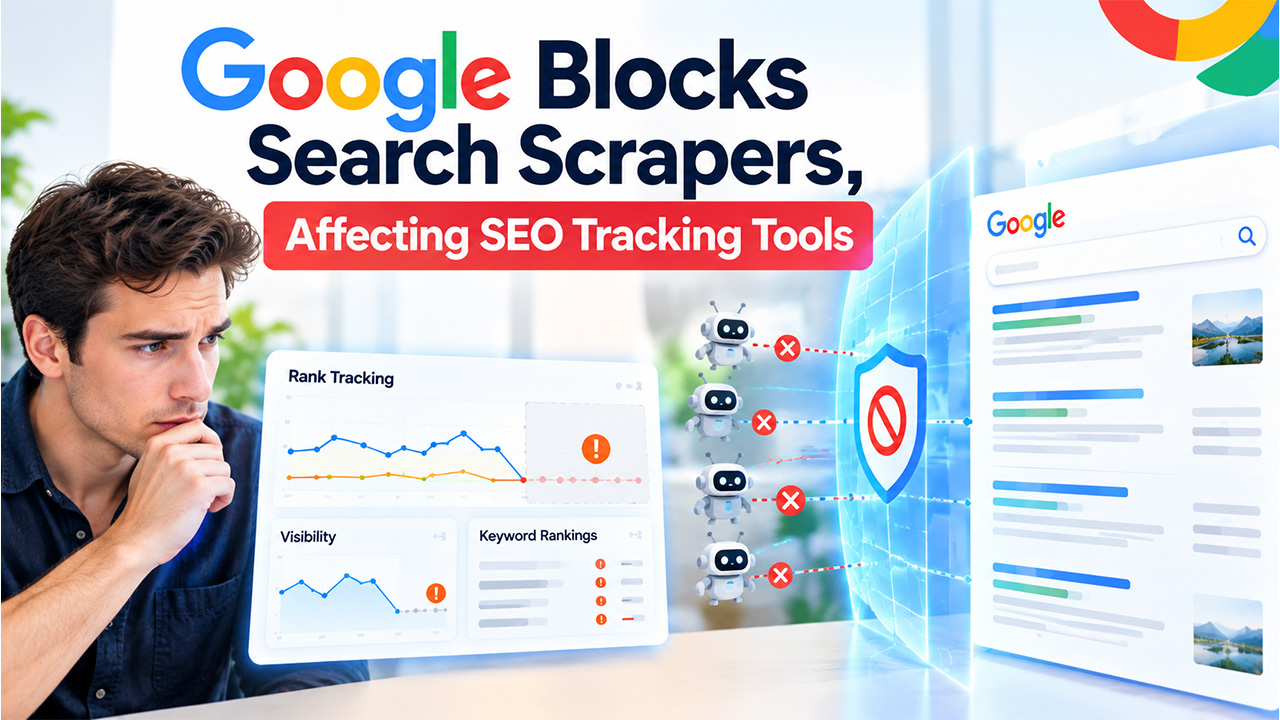
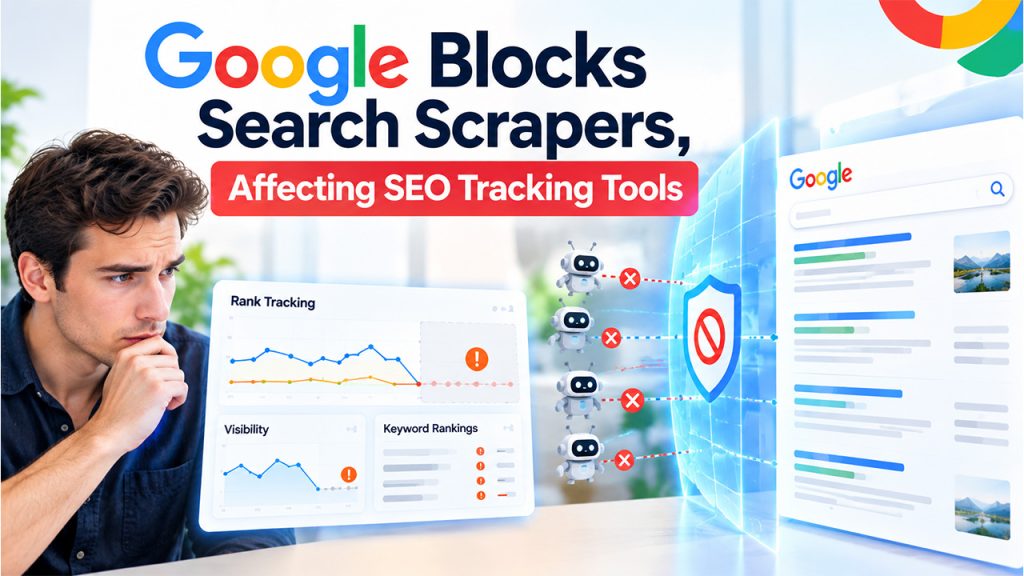
Google's ongoing modifications to the way search results are delivered appear to have negative implications for SEO tracking tools. As of around September 13, 2026, Google seems to be more successful at blocking automated tools that scrape Google Search results. SEO tools rely on this information in order to track rankings, visibility, and search results.
According to Search Engine Roundtable, some tools are now harvesting significantly less Google Search data than previously. Nozzle reports an approximate 80% decrease in the amount of data it harvests from Google, while Sistrix states that its data harvesting is operating at a reduced rate.
Google Strengthens Its Anti-Scraping Measures
Search scraping allows automated systems to collect information from Google Search results. SEO tracking tools use this process to track where websites appear for specific keywords, monitor competitors, and identify changes in search visibility. A Web Scraping API can provide a structured way for applications to collect and process web data, although access to Google Search results remains subject to Google's technical restrictions.
Google increasingly introduces technical measures that make this automated access more difficult. The latest changes appear to affect several third-party tools that rely on large volumes of Google Search data.
Search Engine Roundtable reports that Google makes these changes alongside other recent efforts to identify and limit non-human behavior on its search results. Google also recently rolled out google.com/goto URLs that route users through Google before reaching the destination page. The change makes it harder for automated systems to directly read destination URLs from search results. Google says it regularly uses technical measures against evolving forms of abuse and to protect its services and users.
SEO Tracking Tools See Data Collection Problems
Rank tracking platforms need consistent access to search results to provide accurate data. When Google blocks or limits automated requests, these platforms may collect fewer results or take longer to update their databases.
Nozzle's Derek Perkins tells Search Engine Roundtable that most of his tool's attempts to collect Google Search data are blocked. He reports an approximately 80% reduction in the data collected from Google. He also notices similar issues with data from DataForSEO.
Sistrix also reports a reduction in its data collection. Its status update says Google makes further changes to the way search results are delivered, which causes its data collection to operate at a reduced rate. The company says data still flows and its Toolbox continues to update while it adapts its processes. These changes do not mean that SEO tracking tools stop working completely. Instead, their ability to collect search data can become slower, less consistent, or more limited.
Ranking Data May Become Less Reliable
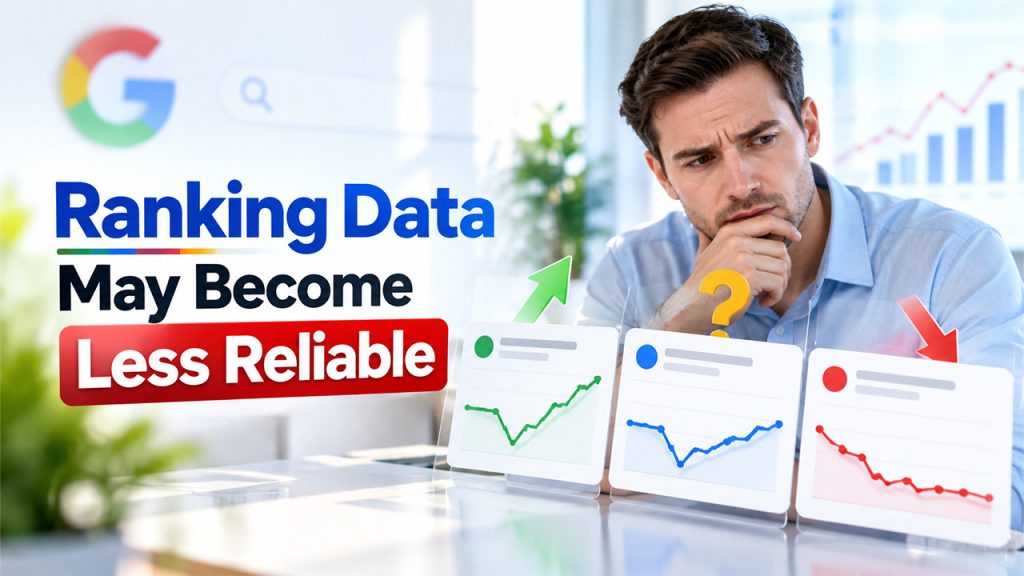
One major concern is the accuracy and timing of ranking reports. One major concern is the accuracy and timing of ranking reports. SERP Monitoring can help SEO teams track ranking movements, but the quality of the reported data depends on how consistently the platform can access and process search results.SEO professionals often use third-party tools to understand whether a website gains or loses visibility after a Google update. When a tool cannot collect enough search results, its reports may not immediately reflect what happens in Google Search.
Search Engine Roundtable points to an example shared by SEO consultant Glenn Gabe. He compares actual site traffic with data from Ahrefs, Sistrix, and Semrush after a website experiences a major ranking change. Ahrefs detects the recovery; Semrush also shows it but with some delay, while Sistrix does not show the recovery at that time.
This difference shows why SEO teams need to understand how tracking platforms collect their data. A sudden change in a ranking chart does not always represent an actual change in Google's search results. It can also reflect a problem with data collection.
Google Search Changes Affect SEO Reporting
The recent scraping restrictions add another challenge to SEO reporting. Search platforms already change frequently, and third-party tools need to adjust their systems when Google changes how it delivers results.
BrightLocal also reports that Google's increased anti-scraping measures cause some rank-tracking reports to run more slowly. The company says it collects search results directly from Google to show customers their rankings, so changes to Google's automated access controls affect the reporting process.
The impact can appear in several ways. Ranking reports may take longer to update, some keywords may have incomplete data, and different SEO platforms may show different results for the same period. For agencies and in-house SEO teams, this makes it important to avoid treating one third-party platform as the only source of truth.For agencies and in-house SEO teams, this makes it important to avoid treating one third-party platform as the only source of truth. Comparing different Best SEO Tools can help teams understand differences in ranking data, reporting speed, and available SEO metrics.
What SEO Professionals Need to Watch

SEO professionals can continue using ranking platforms, but they need to pay closer attention to data quality and reporting delays. SEO professionals can continue using ranking platforms, but they need to pay closer attention to data quality and reporting delays. Keeping track of Google Search Updates can also help teams understand when changes in search behavior or Google's systems may affect their SEO reporting. A sudden drop in tracked rankings does not automatically mean that a website loses real visibility. Teams can compare third-party ranking data with Google Search Console, website traffic, conversions, and other first-party metrics before making decisions.
It is also useful to check the status pages and updates provided by SEO platforms. If a tool reports a scraping issue, ranking data from that period may need additional verification. Google's changes also show how dependent many SEO tracking tools are on access to search results. As Google makes automated scraping more difficult, tracking providers need to develop new methods for collecting and processing search data.
What This Means for SEO Tracking
The latest Google anti-scraping updates hit one of the weak points in the SEO tracking industry. Rank trackers rely on their automatic access to Google Search, while Google actively works to limit such possibilities. The first result is already visible: some SEO platforms have received incomplete data sets, and the real impact may appear faster than one might expect. However, the long-term outcome depends much more on how the SEO tracking industry will respond to Google's pressure.
In particular, SEO professionals should pay more attention to the quality of individual rank tracking data, as different tracking platforms report significantly varying results. Therefore, it makes sense to analyze such information in relation to other data sources, using the most reliable sources as a primary reference point in real-time tracking.

.png)
.png)