


Picture this: you’ve just landed a guest post slot, and the editor sends a resource link for your reference list. You click, and suddenly you’re wading through three ad pages, a captcha, and a “complete this offer” wall. Annoying, right? A colleague of mine once lost twenty minutes to one of those chains. That detour is why many people search for ways around these gates, and why SEOs keep running into the topic during outreach research and link audits.
The Quick Definition
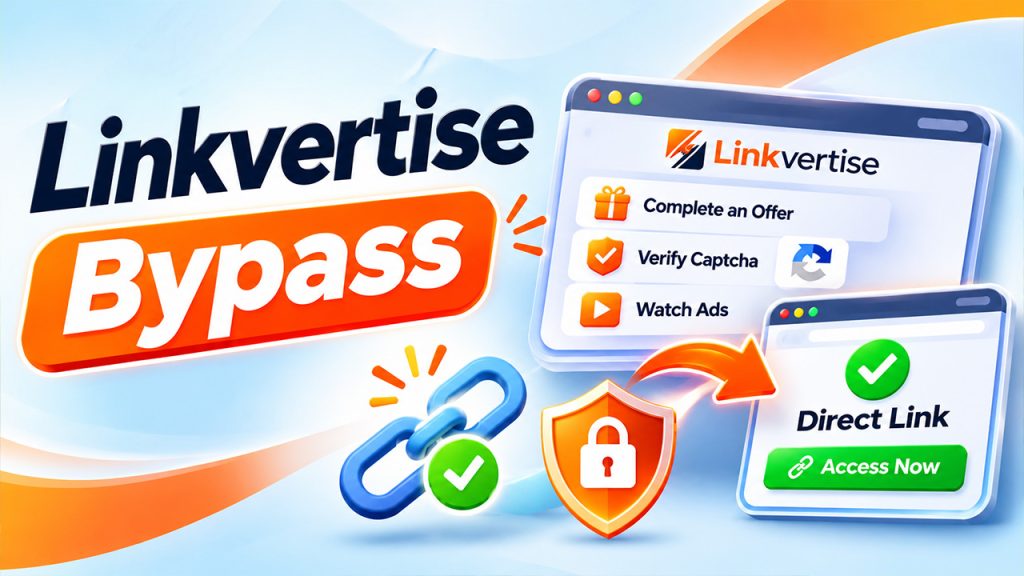
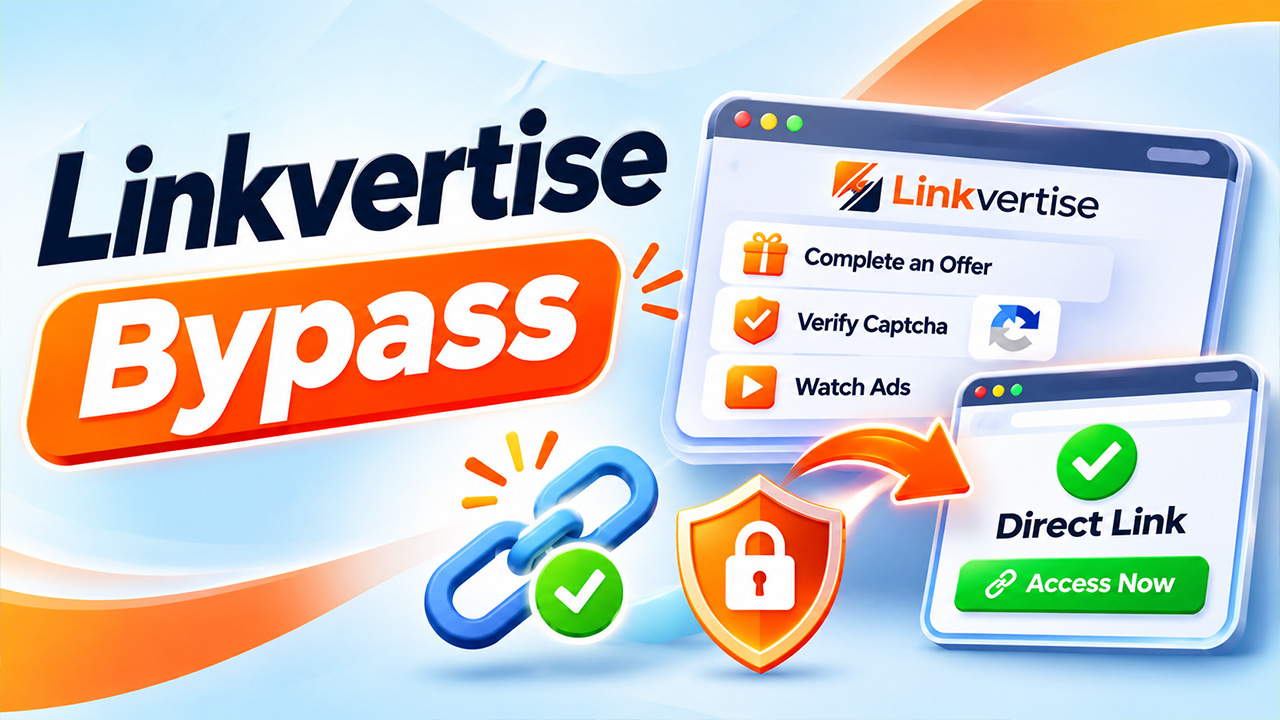
Linkvertise bypass is the practice of skipping the ads, offers, and verification steps Linkvertise places between a visitor and a destination link. Tools or methods used for this are often called bypassers, and they’re controversial because they cut into the revenue link creators earn from those gated clicks.
How Linkvertise Links Work
Linkvertise is a link-monetization platform, meaning it helps creators earn from clicks. A creator puts a file behind a short link, and visitors complete a few steps to reach it. That friction is why some users look for a Linkvertise bypass. From the creator’s side, it’s a revenue tool. From the visitor’s side, it’s a toll booth. Neither view is wrong, and that tension drives most of the debate. For SEOs, it shows up in outreach, where a gated link can hide a resource, a reference page, or proof of a placement. A link behind a wall is also harder to share with clients or teammates. If you can’t reach a link, you can’t verify it, and verification matters when you’re auditing guest posts.
Why People Search for a Linkvertise Bypass
The motives are usually mundane. Some people are short on time. Others dislike ad-heavy pages or worry about what those pages load. A few are researchers who simply need to see where a link leads before deciding whether it’s worth their attention. Is that reason enough to skip the gate? Not by itself. Creators set up those gates deliberately, and many rely on that income. Understanding the demand helps you read the situation; it doesn’t settle the ethics, the risks, or the rules.
A Quick Example
A Linkvertise bypass sounds abstract until you picture a real case. Say a freelance designer shares free font files behind a Linkvertise link. Each completed visit earns them a little money. Someone who skips the gate gets the same files, but the designer earns nothing from that visit. Multiply that by hundreds of downloads and the frustration makes sense. Now put yourself in the visitor’s shoes: you wanted one file and got a stack of ad screens. Both sides lose something, which is why the debate lingers.
What a Linkvertise Bypasser Actually Is
Sites and Scripts
In plain terms, it’s a site or script (a small automated program) that claims to fetch the destination link without making you complete the gate. Quality varies wildly. Some are throwaway pages, others are scripts shared in forums.
Browser Extensions
Extensions are add-ons that run inside your browser, which is why they deserve caution. They can request broad permissions, such as reading the pages you visit. That access is a big ask from a tool you found through a search result. So any Linkvertise bypass extension needs scrutiny before you install it. Check the developer, the reviews, and what permissions it asks for. Tools in this category have a mixed reputation, so treat anything unfamiliar as untrusted.
Myths Worth Dropping
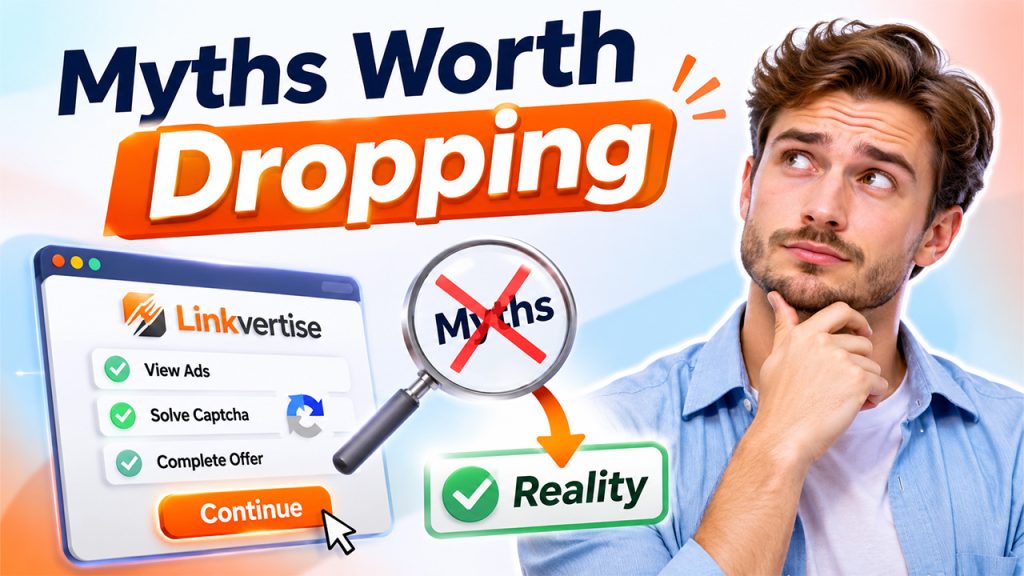
Let’s clear up a few assumptions you’ll see in forums.
- Myth: Bypass tools are harmless. Reality: some bundle ads or request risky permissions, so safety varies a lot from one tool to the next.
- Myth: It’s just like an ad blocker. Reality: blockers hide ads, while trying to bypass Linkvertise means skipping the gate itself, which the platform may treat differently.
- Myth: A working tool stays working. Reality: platforms change their checks, so tools can break without warning.
- Myth: Skipping the gate improves your outreach. Reality: it doesn’t make a link more valuable or a prospect more responsive.
What This Means for SEOs and Guest Post Experts
Maybe you’re wondering whether any of this touches link building. It does, just sideways. Most of us meet these gates while researching prospects, not chasing downloads, and that’s where Linkvertise bypass questions tend to surface. Guest post experts vet pages before pitching, and a link hidden behind a monetized gate is hard to check. So ask early whether a direct link exists. What is a backlink? If you’re training a new teammate, that explainer shows why a link search engines can follow usually matters more than a gated one.
Vetting Prospects Without the Shortcut
Start with a direct approach. Email the site owner and ask for the plain URL; many will oblige, and it’s quicker than trying to bypass Linkvertise anyway. Want a cleaner research workflow? This list of digital marketing tools is a solid place to start for link checks and outreach tracking. Finally, if you’re weighing how text links appear on a search engine results page, this guide to SERP insight text links shows what’s worth tracking.
Mind the Rules
Check Linkvertise’s terms, and the rules of any site you work with, before trying a workaround. Creators and platforms set those rules, and ignoring them can cost you trust.
Final Thoughts
In short, a Linkvertise bypass is a way of skipping monetized gates, and it carries real trade-offs for creators and for your own device security. For SEOs, the smarter move is to verify links through direct, transparent channels. Ready to tighten up your outreach? Here’s where to start:
- Audit gated links in your prospect list and ask for direct URLs.
- Read a platform’s terms before trying any tool.
- Build your research stack on trusted, well-reviewed software.
Pick one step today and apply it to your next outreach round.