



.png)
.png)
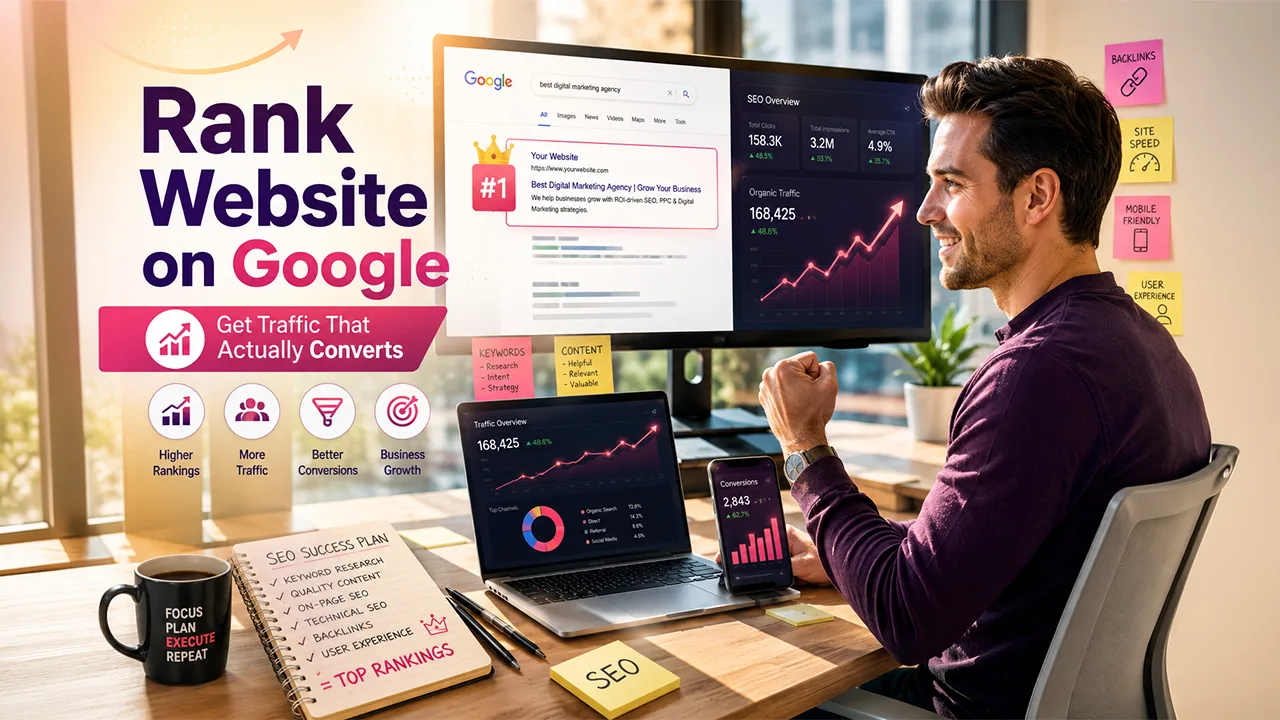
In 2026, ranking on search engines goes far beyond simply launching a website. Success need consistency, strategy, and smart execution to truly stand out from the crowd. A highly ranked site attracts more visibility, more traffic, and ultimately more opportunities for growth. But achieving that isn’t easy; it requires a strong foundation, well refined details, and staying up to date with the latest search trends.
Ranking does not depend on a single factor; Google’s algorithm prioritizes various factors, such as overall user experience, content quality, website speed, mobile friendliness, security, and backlinks to improve Google search ranking. This detailed guide will help you uncover the best, proven ways to rank website on Google in 2026 step by step.
Why Ranking High on Google Matters More Than Ever
Before jumping to the steps, it’s important to understand “why it matters” for your online growth. Organic search has become the single most important source of finding information online. Studies consistently state that the top three results on Google get more clicks and traffic than the site sitting on page 2 or beyond. Honestly speaking, almost no one is looking for it.
And here is thing, Google’s algorithm now focuses on real user experience, content reliability, and trust signals. Traditional practices used to be relied on, shortcuts, tricks, and keyword stuffing into every paragraph. That’s actually good news for website owners, digital marketers, and entrepreneurs that put real efforts and want realistic output.
How Google Ranking Works

Google utilizes various factors to determine which content deserves top rankings. This involves intriguing algorithms and thousands of ranking factors, such as keyword optimization, content quality, website performance, and page usability. The Google ranking system is designed to provide users with the right data anytime, anywhere. It filtered out most reliable, relevant, and valuable data from billions of webpages available online.
Here are a few ranking factors that Google considered for website ranking:
Content Quality:
Google utilizes EEAT principles to evaluate your content quality. It checks whether your content demonstrates real user experience, includes valuable data, and written by credible authors.
Site Performance
Google then evaluates a few metrics like page speed, user-friendliness, and visual stability of the site, because it directly influences how visitors interacted with your content. When a site is slow or unstable, the ranking system is less likely to place among top results.
Backlinks
High-quality backlinks are still a strong factor in improving the overall site performance, but Google now focuses on topical depth and authority more than sheer link volume.
Search Intent Alignment
The advanced LLM model checks whether your content matches the specific intent behind a search request. This helps the system to fully understand the search intent and provide users with the most relevant, useful results.
SEO Tips to Rank Higher on Google in 2026
Step 1: Keyword Research
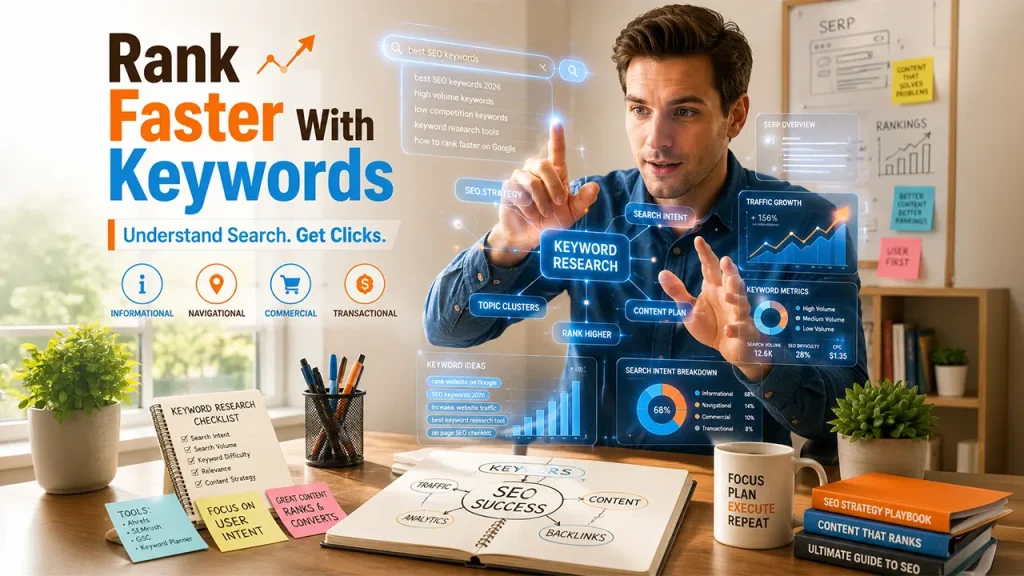
Keywords play an essential role in website SEO optimization. Strategic keyword research in 2026 is more than just finding high volume terms, it’s about understanding the customer pain points.
Start with identifying the problems your target audience researches over. Then create valuable, customer centric content that provides practical solutions and insights to those problems. Every keyword falls into four main categories of search intent: Informational, Navigational, Commercial, and Transactional. Your content needs to match the intent so that whenever the user searches for a query, they can easily find your content. Whether they are looking for useful information, comparing options, or exploring something to purchase.
Sprinkle LSI keywords into your content naturally. Google uses these terms to understand the context of your content. For example, a page related to “how to rank website on Google” might have phrases like, “best ways to rank a site on Google”, “Search Engine Result Pages” and “tools to improve website ranking on Google”. There are many online tools that help you understand the search volume and competition for a particular keyword. These include Ahrefs, Semrush, Google Search Console (free), or Google Keyword planner.
Step 2: Build Useful, Authoritative Content
Content Quality: Google’s ranking system prioritizes pages that fully align with user requirements and search intent. The content should deliver real value and depth, not just surface level answers.
EEAT (Experience, Expertise, Authoritativeness, Trustworthy): Your content should come from credible sources who know what they are talking about.
Backlinks: Links from other authoritative websites still act as votes of confidence, though quality matters far more than quantity. You can use link building tools to make quality backlinks.
Core Web Vital: Your site performance, page speed, visual stability, and interactivity are a few key factors that directly influence website ranking.
User engagement signals: Things like how long people stay on your page and whether they click back immediately to search results (a sign they didn't find what they needed).
Based on the March 2026 core update and the sequence of 2025 updates, Google does not support thin, templated, and AI-generated content with no meaningful insights. They improve their system to easily identify content that looks optimized but doesn’t actually help anyone.
Step 3: Optimize On-page SEO
Implementing On-page SEO makes sure Google and your readers can clearly understand the context of each page. Here are some key elements that helps rank website on Google:
Title Tag: Add primary, secondary, and LSI keywords to the title tag, ideally towards the beginning. It should contain 60 characters so that it doesn’t get cut off in search results.
Meta Description: Although meta description doesn’t directly affect ranking, it can affect click through rates, which do. Write a short, engaging summary under 150-160 characters that act as a preview of content at the Google search results.
Headings (H1, H2, H3): There should be one H1 for each page---that’s your main title. Use the right heading structure (H2s and H3s) to structure your content logically. Add primary keywords and related phrases naturally in these headings.
URL Structure: Make sure your URLs are short, descriptive, and keyword-rich. For example: /rank-website-on-google beats /blog/post-id-1234?category=seo.
Internal Linking: Add links to other pertinent pages on your website. This makes it easier for Google to find your content and comprehend the relationships between your pages.
Image Optimization: Provide every image with a descriptive file name and alt text. One of the most frequent reasons for poor load speeds on your pages is massive image files, so compress them to avoid slowing them down.
Step 4: Focus on Technical SEO

No matter how good your content is, if Google can't crawl and index your pages correctly, none of it matters. To rank website on Google, here are some key technical fundamentals to master:
Page Speed: Google's Core Web Vitals need to meet minimum thresholds. Use Google PageSpeed Insights to check your scores and follow its recommendations.
Mobile Optimization: Google indexes the mobile version of your site. If your site isn't responsive and easy to navigate on a phone, you'll pay for it in rankings.
HTTPS: If your site isn't on HTTPS, fix this today. It's a basic trust signal to rank website on Google.
XML Sitemap: Create and submit an XML sitemap through Google Search Console. This tells Google what pages exist on your site and helps ensure they get indexed.
Robots.txt: Make sure you're not accidentally blocking Google from crawling important pages. A misconfigured robots.txt file is an easy mistake that can tank your visibility.
Fix Crawl Errors: Regularly check Google Search Console for crawl errors, broken links (404s), and redirect issues. These erode your site's authority over time.
Step 5: Create High-Quality Backlinks
Craft link-worthy content: Valuable, research-driven content, free tools, comprehensive guides, and information-driven articles are the natural source to attract links. Customer-centric content that addresses real people's pain points has high chances to be cited.
Gues Posting on Authoritative Sites: Writing articles for respectable guest posting websites or publications in your niche increases authority and generates contextual backlinks.
Broken Link Building: Look for broken links on other websites that lead to outdated information and recommend your relevant information in their place.
Digital PR: Unique, significant reports or content can be published and linked to by large publications.
Step 6: Track & Improve Consistently
SEO is not something that happens once. Here are some things to keep a look on:
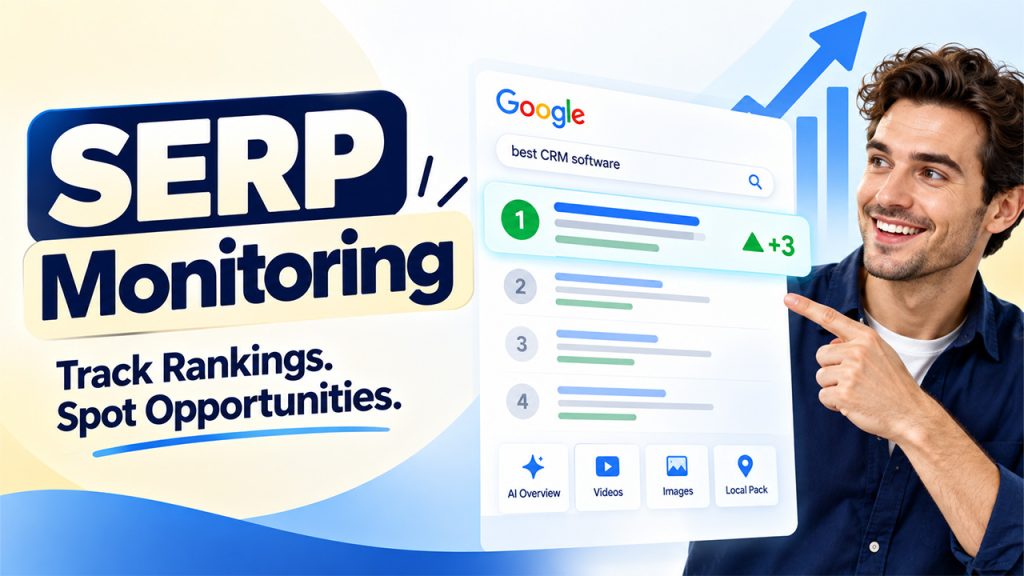
Google Search Console: This is one of the most valuable free tools to track the top performing keywords that you're ranking for, like click-through rates, impressions, indexing status, and any manual measures taken against your website.
Google Analytics 4: Gain insight into how visitors act on your website, including where they come from, what pages they view, how long they stay, and where they leave.
Constantly Review and Update the Content: Every few months, make time to review your top pages. Update data, integrate fresh data, and improve underperforming areas.
Conclusion
In the modern digital landscape of today, rank website on Google is not about gaming the system; it’s about creating something valuable that truly deserves its place. The websites containing high quality content, strong technical foundation, and greater authority often get greater search engine positioning.
These quick steps are not shortcuts; they are the actual, proven techniques of sustainable website SEO optimization. Beginning from basic keyword research, on-page optimization, backlink building layered with improving technical health and content quality. Monitor site performance, evolve when things change (because Google consistently evolve), and stay focused on user experience first.
Google is just a platform for providing helpful, relevant, and trustworthy information for every search query. Your goal should make sure that the result is you.

.png)
.png)