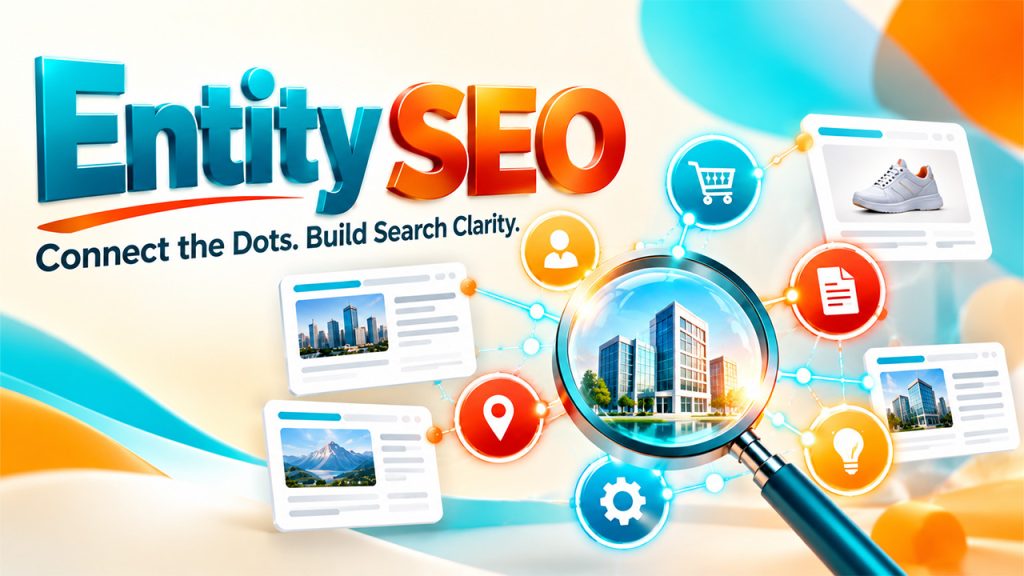



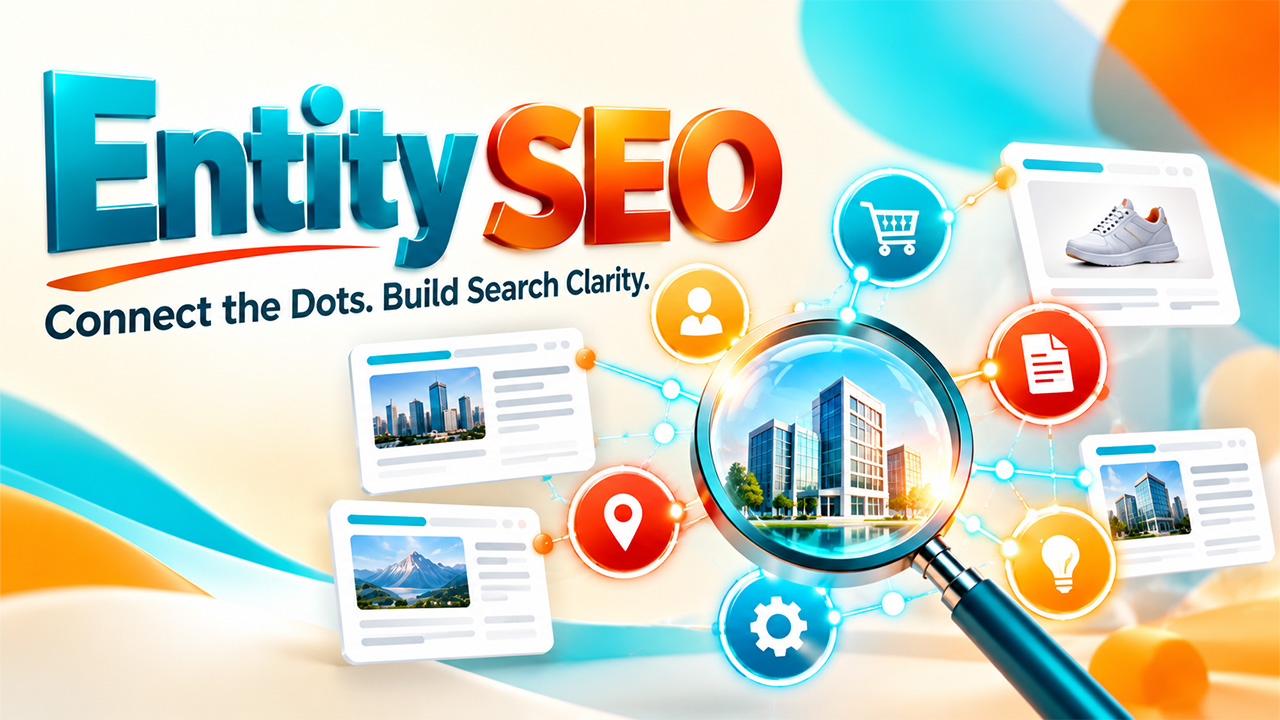
Search engines need to figure out what a website's about, how its topics relate, and which sources give it useful information. Keywords help a search engine recognize some of a website's keywords, but they won't tell the search engine how the people, businesses, products, and ideas relate to each other. And this is where Entity SEO comes in. It's designed to help search engines recognize specific entities and how they relate across web pages. This helps businesses clarify their website structure, improve their content, and increase their online presence. It combines useful content, consistent information, and relevant relationships among topics so the search engine can understand a business's expertise and match pages to specific search queries.
How Are Entities Different from SEO Keywords?
Keywords are the words or phrases that people enter into search engines. Entities are the real-world people, places, things, or concepts that those words refer to. Imagine a website that focuses on writing articles about digital marketing. This site may want to rank for keywords like digital marketing tools, marketing automation, and email campaigns, but its content may also reference tools, brands, and marketing experts.
Knowing these relationships enables search engines to understand the subject area of a website aside from individual keyword hits. Entity-based SEO, then, looks at intent, context, and relational data as much as it looks at keywords. It is complementary to traditional keyword research and not a substitute for it.
How Does Entity SEO Work?
Search engines can draw on various signals in order to identify entities and their relationships. These signals can originate from the content of a website, structured data on a website, links to a website, or from trusted sources and other publicly available information.
- Entity Recognition and Identification
Search engines scan the content for mentions of people, organizations, products, and ideas. They provide more context and understanding for these mentions by using the context or surrounding text and other signals. Businesses should regularly provide their formal name and make clear what they do, sell, and are experts in to help search engines understand your website.
- Comprehend Relationships Between Entities.
Not one thing is out there in a bubble. For example, an enterprise might publish the software, an individual might be a consumer of that software, and an industry might promote the software to its prospects. When a website clearly articulates these relationships, it is doing what comes naturally and clearly identifies the subject matter. This additionally helps with semantic SEO.
- Connect Information Across Sources
Multiple sources can be used by search engines to help them identify an entity. Examples may include, but are not limited to, corporate websites, business listings, applications, products, and others that are considered reliable third-party references. It can be important that names, descriptions, and contact information don't contradict each other.
Why Is Entity SEO Important for Modern Search?
The desired goal of a search engine is to find results that are as close as possible to the meaning and intent behind a search. If all the page does is utilize a keyword, it may not provide enough information to actually answer a user's question.
- Helps Search Engines Understand Content
Well-defined entity references provide a search engine with extra information about a page. Rather than using the same words and phrases repeatedly, a page can illustrate what it's discussing using relevant people, places, organizations, concepts, and examples. But inserting irrelevant entities does not necessarily help your SEO. Each one should help the reader.
- Supports Topic Coverage
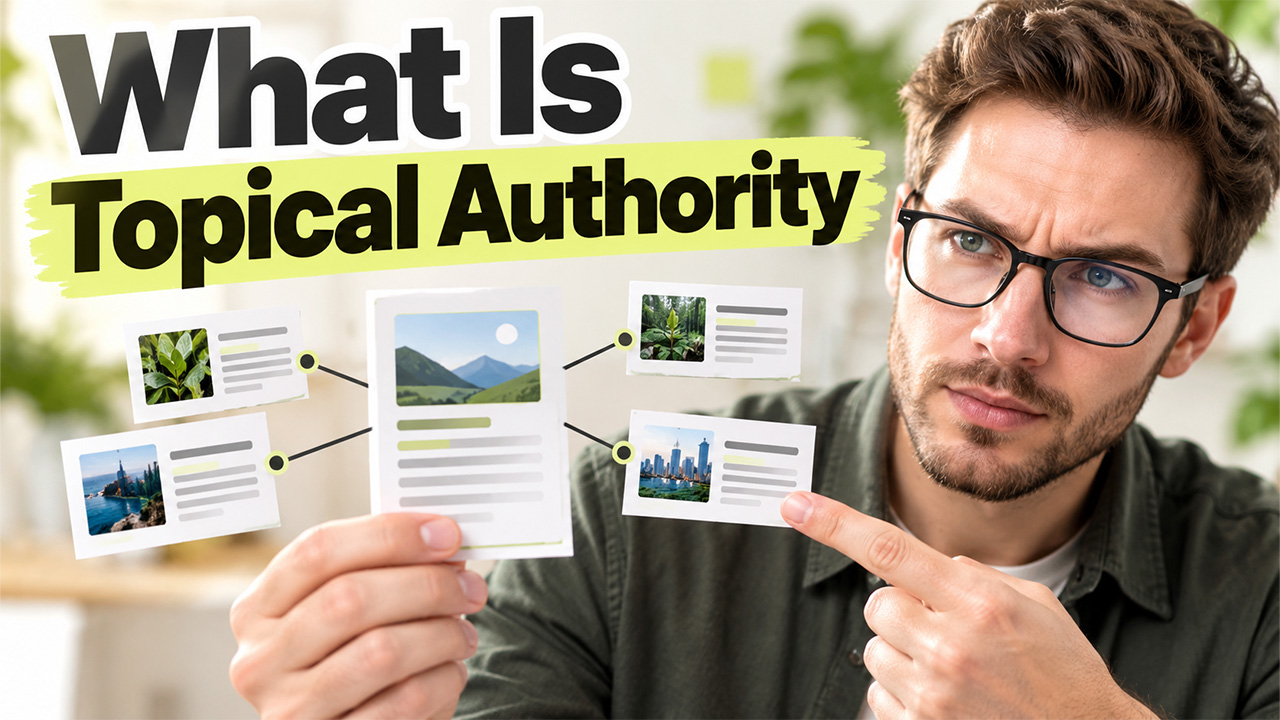
Articles often appear in groups on related topics; linking them together provides a natural flow and hopefully a useful route for your website visitors. So, if a business deals in the CRM software, lead management, sales reporting, and customer retention space, an excellent site structure would be a number of articles organized around these linked themes.
- Strengthen Organic Search Visibility
With a clean website, your expertise can be more easily accessed and your content more easily navigable. These enhancements could aid in organic search visibility alongside relevant content, proper technical SEO, and an appropriate user experience. Clear entity information can further help search engines understand who you are and what your business' website is about.
Yet, optimizing your entities is not the be-all-and-end-all of rankings, rich results, and getting into artificial intelligence (AI) generated answers. Search engines use a lot of signals, and performance depends on the overall website.
How to Optimize a Website for Entity SEO
Practical content and technical things can increase entity understanding in businesses. Several things are mentioned below that help to optimize a site for entity SEO.
1. Create Clear and Informative Content
First, look for some of the primary entities related to your business. This could be your company, products, services, industry, founders, and any relevant subject matter. Secondly, you can add an introduction that describes each of the important entities and speak about the entities naturally, and do not include other unrelated ideas or companies in the text just to make a page appear authoritative.
2. Build a Logical Internal Linking Structure
Connect relevant pages within your website to direct users to additional related content and also give search engines a clearer understanding of how your website pages relate to one another. Use relevant, descriptive anchor text in the links. Resist the temptation to use keywords as the anchor text for every single internal link. This supports a robust internal linking structure.
3. Use Structured Data
Structured data for entity SEO allows search engines to understand what a page is about and what entities it mentions. Adding structured data for entities is a great way to give search engines more info about a page, but it doesn't necessarily result in rich results or higher rankings. Your markup should match the page content and comply with the search engine guidelines.
4. Maintain Consistent Business Information
Maintain the same name, official URL, description, and other relevant identifying information across your website and other business profiles. If your company is rebranded or you change the name of a product or service, update significant references accordingly. Also ensure author bio and company info are accurate. You can create a relationship between profiles with appropriate supported structured data properties such as same as.
Mistakes to Avoid in Entity SEO
A website that is technically perfect can still have a tough time showing its years of expertise when the content contains poor, off-topic, or inaccurate information.
- Treating Entities As Keywords
Consistently adding company names, products, and industry terminology to each paragraph does not establish entity relationships. Search engines require context, not a series of references without any indication of their relationship. Learn about the search engine basics. Use natural language and entities only in context.
- Publishing Thin or Repetitive Content
It is very easy to run into duplicate content issues when you have several similar pages. For example, for a nearly identical term or phrase, you end up with several pages, but you do not gain much because each page answers the same question and is, therefore, redundant. Give each page a purpose.
- Using Incorrect Structured Data
Wrong mark-up can cause vague results or prevent pages from qualifying for rich results. Things to watch out for: incorrect mark-up schemas, mark-up of content that users cannot see, stale business information. You should double-check markup as content changes, and re-validate it after a website redesign or migration to a new CMS.
Conclusion
Entity SEO helps businesses communicate what their website covers, which organizations and concepts it references, and how those subjects connect. It works best when businesses combine clear content, relevant internal links, consistent entity information, and accurate structured data. These practices help search engines interpret website content while making information easier for visitors to navigate and understand. However, entity optimization is not a shortcut to higher rankings. Businesses still need useful content, sound technical SEO, and credible information that meets their audience's needs. By treating entities as meaningful subjects rather than additional keywords, website owners can build a clearer content structure and support their long-term organic search strategy.