





.png)
.png)
Every now and then, a fresh idea pops up and starts to catch on in conversations, articles, and social media, even though it might not have a clear definition. This new term evolves naturally, influenced by how people understand and apply it in various contexts and situations. Lufanest is one of those intriguing concepts. At first glance, it might seem a bit vague, but if you take a closer look, it unveils a significant idea that’s deeply connected to how we create spaces, systems, and experiences in an increasingly digital and interconnected world.
Lufanest is not about one product, company, or technology. Rather, it reflects a broader way of thinking about comfort, balance, adaptability, and intentional design, both in physical environments and digital ecosystems. People seek spaces that feel supportive rather than overwhelming. Lufanest is emerging as a concept that quietly aligns with modern needs.
What Does Lufanest Mean? Understanding its Origin
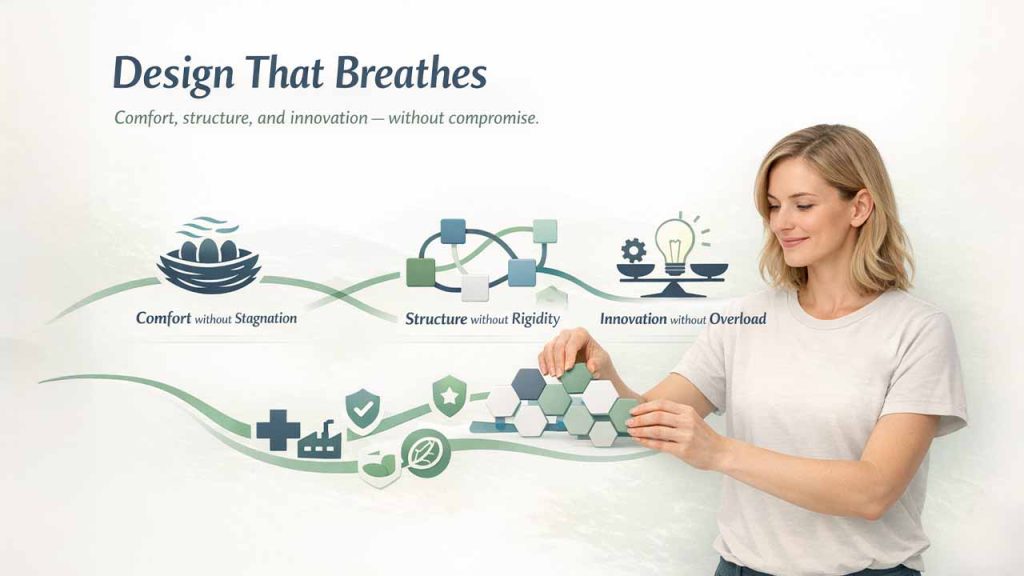
Exploring the Lufanest meaning reveals that it isn't a product or an online platform. It’s more of a philosophy, representing the guiding principles through its name. Imagine a nest—secure, orderly, nurturing, but with a touch of creativity and flexibility. That’s the essence. The Lufanest concept doesn't sacrifice human experiences just to chase efficiency. It represents:
Lufanest doesn’t sacrifice human experiences just to chase efficiency. It represents:
- Comfort without stagnation
- Structure without rigidity
- Innovation without overload
This approach allows Lufanest to fit smoothly into various industries. Every sector takes these principles and tailors them to suit the challenges or requirements that they encounter. It’s made to adapt.
Is Lufanest a Brand, Platform, or Trend?
Lufanest is not a company or a product. It is an emerging conceptual term used across different contexts to describe human-centered design, simplicity, and adaptability. Its meaning shifts based on how and where it’s applied—digital ecosystems, blogging, lifestyle, or design, rather than pointing to a single platform or brand.
The Meaning Behind the Name “Lufanest”
The beauty of the term “Lufanest” really shines through its intuitive symbolism.
- “Lufa” brings to mind lightness, airiness, and a sense of breathability.
- On the other hand, “Nest” conveys feelings of safety, structure, and a sense of belonging.
Combining these two aspects creates a space that truly feels open—a place where you can breathe, unwind, and still feel grounded. It represents an atmosphere that fits into a digital app, your workspace, or even how you organize your day. It’s that perfect balance between freedom and structure, which is what most people seek. A space that flexes without falling apart. It feels relaxed, but never chaotic.
Why Is Lufanest Gaining Popularity in Digital and Creative Spaces?
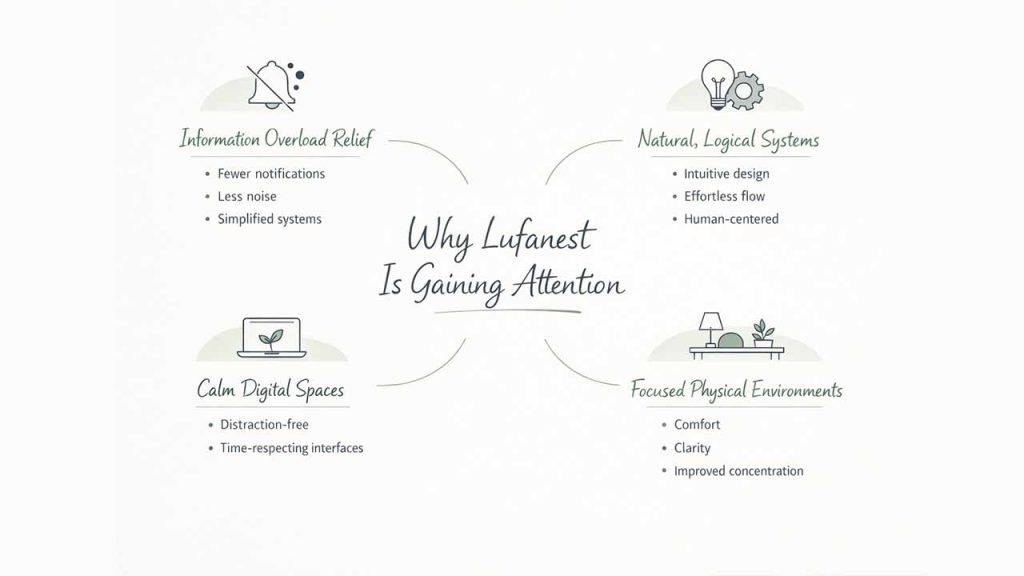
Modern life is surrounded by an overwhelming amount of information coming from many different sources. Notifications, deadlines, distractions, and information overload have become a part of everyday life. Because of this overload, people are looking for new ways of simplifying their lives rather than complicating them. Lufanest helps people do that by addressing many of these issues through quiet, practical solutions.
It speaks to those who desire:
- Systems that feel natural instead of perplexing
- Digital spaces that minimize hassle
- Physical environments that foster focus and comfort
It’s for those who want more than just speed or flash. They seek systems that are logical, not confusing. They prefer digital spaces that respect their time and energy. Physical spaces should help them concentrate and actually feel comfortable.
How Lufanest Is Used in Blogging and Online Writing
Looking at modern interpretations of Lufanest, online writing and blogging appear to shine the most. In the world of digital content creation, writers face constant pressure to always produce fresh material, trying to keep up with algorithms, and often caring more about clicks than true quality. Communities like BlogsterNation.com demonstrate how blogging platforms can embrace these principles by fostering authentic connections between creators and readers. The Lufanest blogging philosophy offers an alternative approach that prioritizes authenticity and sustainable creativity.
A Supportive Framework for Creators
In the world of writing and blogging, Lufanest creates a vibrant space that fosters creativity rather than draining it. It focuses on:
- Meaningful, value-rich content instead of just noise
- Intuitive writing spaces, tools, platforms, and workflows
- Maintaining creative consistency without leading to burnout
Instead of chasing speed or viral trends, Lufanest champions depth, authenticity, and sustainable creativity.
Audience-Centered Content Ecosystems
Lufanest isn’t only about content creators. Readers experience it as well. Blogs and platforms that follow this idea aim to:
- Reduce clutter and distractions
- Encourage meaningful engagement rather than passive scrolling
- Build trust through clarity and coherence
In this way, Lufanest reshapes online writing into a shared ecosystem where both creators and readers find the support they need.
What Does Lufanest Mean in Digital Ecosystems?
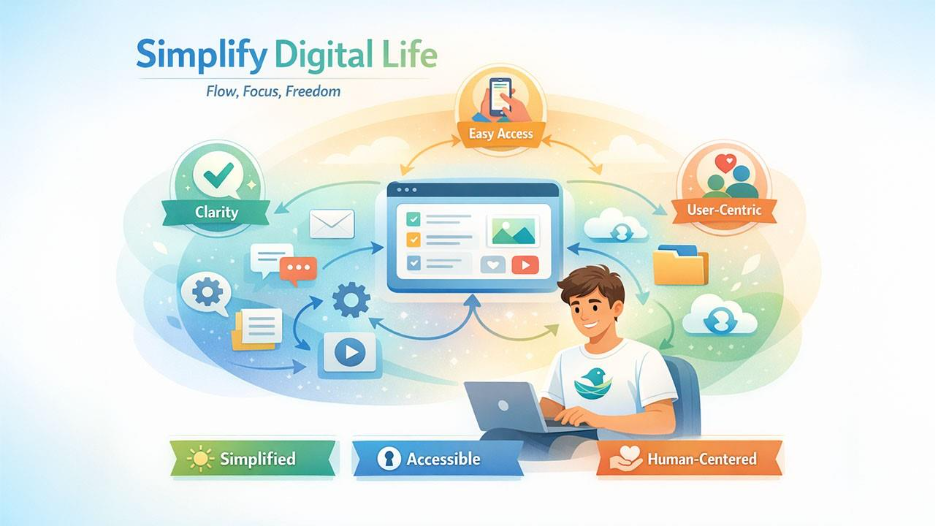
In the digital world, the Lufanest digital ecosystem often refers to user-friendly, intuitive online environments. As software, platforms, and tools grow more intricate, users find themselves grappling with disjointed systems, mental overload, and frustrating experiences.
Lufanest responds to this problem by advocating for:
- Unified digital systems instead of disconnected tools
- Clean, minimal interfaces that reduce mental strain
- Workflows are designed around human behavior rather than machine logic
A Lufanest-inspired digital ecosystem doesn’t bombard users with an array of features. Instead, it emphasizes clarity, accessibility, and a smooth flow, enabling users to concentrate on what truly matters without getting lost in complexity.
Lufanest as a Lifestyle Philosophy: Balance, Simplicity, and Well-Being
Beyond technology, it also functions as a lifestyle mindset. In this context, it reflects a shift away from hustle-driven living toward a more intentional, balanced approach to work and life.
As a philosophy, it encourages:
- Designing routines that support mental well-being
- Creating personal spaces, physical or emotional, that feel grounding
- Making conscious choices that balance ambition with sustainability
This interpretation resonates strongly in a time when burnout and digital fatigue are increasingly common. Lufanest does not reject productivity but reframes it within the context of long-term well-being and personal alignment.
Lufanest in Architecture and Sustainable Design
In architecture and spatial design, Lufanest aligns closely with ideas of sustainability, modular living, and human-centered digital design principles applied to physical spaces. Here, it often represents environments that adapt to users rather than forcing users to adapt to them.
Key characteristics include:
- Eco-friendly materials and energy-efficient design
- Flexible layouts that evolve with changing needs
- A focus on comfort, safety, and emotional connection to space
In this sense, Lufanest becomes a bridge between modern innovation and natural living, supporting both environmental responsibility and human comfort.
Key Characteristics That Define Lufanest
Lufanest is open to interpretation, but there are some key qualities that consistently shine through in its applications:
- Thoughtful simplicity: Design choices are made with intention, not just minimalism for the sake of looking good.
- Flexibility: Systems adapt to meet user needs instead of enforcing strict behaviors.
- Welcoming atmosphere: Spaces are designed to feel inviting, not intimidating.
- Practicality over excess: Features and elements are there to tackle real problems, not just to add fluff.
These traits make it more practical than theory. It emphasizes how things feel in everyday life, not just how they appear.
Real-World Examples of Lufanest in Practice
With the help of practical and everyday applications, Lufanest becomes easier to understand. Let's look at a few real-world examples that show hoe Lufanest concept works across different domains:
- Clutter-free writing platform: By encouraging concentration and creative flow without cognitive overload, a blogging or writing tool with a simple user interface, editors are free from distractions, and well-organized content reflects Lufanest.
- A simple digital workstation: Lufanest is exemplified by dashboards that prioritize clarity over feature excess, reduce superfluous notifications, and streamline workflows.
- Calm content workflow: Content systems that prioritize sustainable creativity, realistic publishing schedules, and consistency are more in line with Lufanest's human-first philosophy than output driven by burnout.
- A living area that is modular: Adaptive layouts, natural light, and multifunctional design are examples of flexible home or work environments that demonstrate how Lufanest principles transcend digital spaces into real-world living.
These examples demonstrate the practical mindset behind Lufanest, where balance, simplicity, and adaptability are needed.
Who Should Use the Lufanest Approach?
Lufanest is especially relevant for digital product designers and developers, businesses that are seeking to improve user experience, remote teams who are looking to develop more effective workflows, and people who want clarity in personal systems. Understanding human-centered digital design through the Lufanest concept helps these professionals create solutions that prioritize user well-being and practical functionality. Lufanest principles apply to all who desire clarity, simplicity, and thoughtful organization that allows a structured approach in their work or environment.
What Is the Future of Lufanest?
As Lufanest continues to evolve, it is likely to become more clearly defined within specific industries. Rather than being locked into a specific model or approach, Lufanest is better viewed as a guiding principle that will continue to adapt to the developing needs of technology, creativity, and human beings.
We may see Lufanest influencing:
- Digital product design standards
- Creator-focused platforms and tools
- Sustainable living and workspace solutions
Its future depends not on strict definitions, but on how thoughtfully it is applied.
Conclusion: Why Lufanest Matters in a Complex World
Lufanest isn't merely a passing trend. It addresses a genuine need for balance in a world growing ever more complex as technology advances. At its heart, it represents support, clarity, and adaptability. It’s a flexible framework that integrates digital ecosystems, lifestyle choices, sustainable design, and the creation of online content.
For anyone involved in developing, designing, writing, or innovating, an understanding of Lufanest means being aware of a broader shift toward human-centered innovation. It serves as a constant reminder of how the environment (both digital and physical) can enhance our ability to create, live, and connect in more meaningful ways.
FAQs about Lufanest
Q. What is Lufanest, and what does it mean?
A. Lufanest is an emerging concept that represents simplicity, adaptability, and human-first design across digital spaces, lifestyles, and creative environments.
Q. Is Lufanest a company, product, or digital platform?
A. No, Lufanest is not a product or company. It is a flexible philosophy applied to digital ecosystems, content creation, lifestyle design, and sustainable spaces.
Q. How is Lufanest used in online writing and blogging?
A. In blogging, Lufanest promotes clutter-free platforms, meaningful content, sustainable creativity, and reader-focused digital experiences.
Q. Why is Lufanest gaining popularity?
A. Lufanest is gaining attention because it addresses digital overload by offering balanced, intuitive, and comfort-driven systems that prioritize human well-being.


.png)
.png)