




.png)
.png)
An agency can hand over a polished application and still leave its client with an exposed storage bucket, excessive cloud permissions, or an unmaintained container image. The problem is not necessarily a lack of scanning. It is the gap between finding a cloud issue and knowing which developer can fix it.
Cloud security tools help identify weaknesses in cloud configurations and workloads. For SaaS companies and development agencies, the useful shortlist depends on who owns the infrastructure, how many environments need attention, and whether the same team also maintains the application code. These six options address different versions of that problem.
At a glance
| Cloud Security Tool | Best fit | Primary focus |
| Aikido Security | Developer-led SaaS teams | Code and cloud |
| Prowler | Hands-on cloud reviews | Configurable posture checks |
| AWS Security Hub | AWS-focused estates | Centralized AWS findings |
| Microsoft Defender for Cloud | Microsoft-centered operations | Posture and workloads |
| Wiz | Complex cloud estates | Cloud risk context |
| Orca Security | Broad cloud assessments | Agentless-first visibility |
1. Aikido Security — Developer-led SaaS teams

Aikido’s cloud security platform brings cloud posture checks together with infrastructure-as-code and container scanning, alongside its application security capabilities. Its attraction for an agency is the connection between operational findings and the software delivery work needed to resolve them.
Shortlist it when developers own both the application and its deployment. During a pilot, use one representative client environment and trace a finding through assignment, a proposed change, and verification. Confirm account separation and access permissions rather than assuming an agency-specific management model.
2. Prowler — Hands-on cloud reviews

Prowler provides open-source cloud security checks, with a hosted platform also available. It is a useful option for technically capable teams that want to inspect checks, automate assessments, and retain control over how results are handled.
For an agency, that can support a repeatable pre-handover review. The trade-off is operational ownership: someone must maintain credentials, schedule scans, interpret findings, and track exceptions. A successful command-line scan is only the beginning of the client’s remediation process.
3. AWS Security Hub — AWS-focused estates

AWS Security Hub brings together security findings and context from AWS security services. It belongs on the shortlist when the production environment is predominantly Amazon Web Services (AWS) and the team already uses AWS-native controls.
Its value is a shared view of the AWS estate rather than another developer code scanner. Evaluate how findings reach the right engineer and how separate customer accounts are handled. An agency supporting several cloud providers should not mistake AWS-centered coverage for a complete cross-cloud operating model.
4. Microsoft Defender for Cloud — Microsoft-centered operations
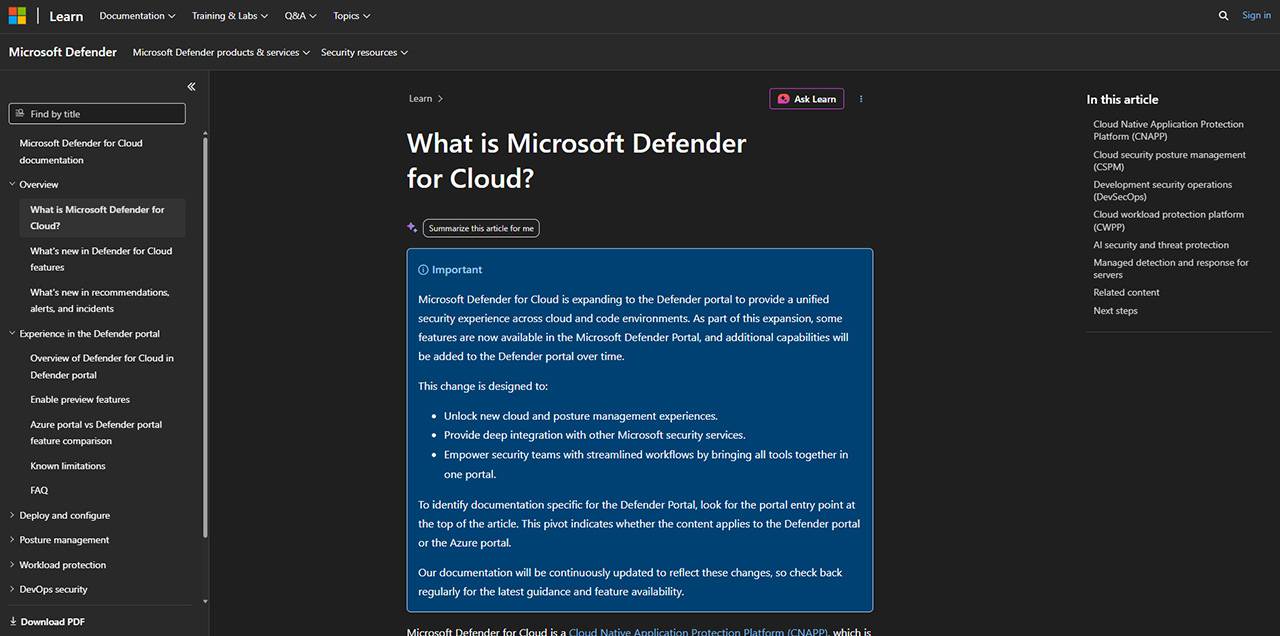
Microsoft Defender for Cloud combines cloud posture management with workload protection and supports multicloud environments. It is worth evaluating where Microsoft security services already form part of the client’s operating environment.
Start with the required protections rather than assuming one subscription enables everything. Map the relevant cloud accounts, workload types, and paid plans. For an agency, the practical question is whether the client can continue running the controls after handover without depending on the original delivery team.
5. Wiz — Complex cloud estates
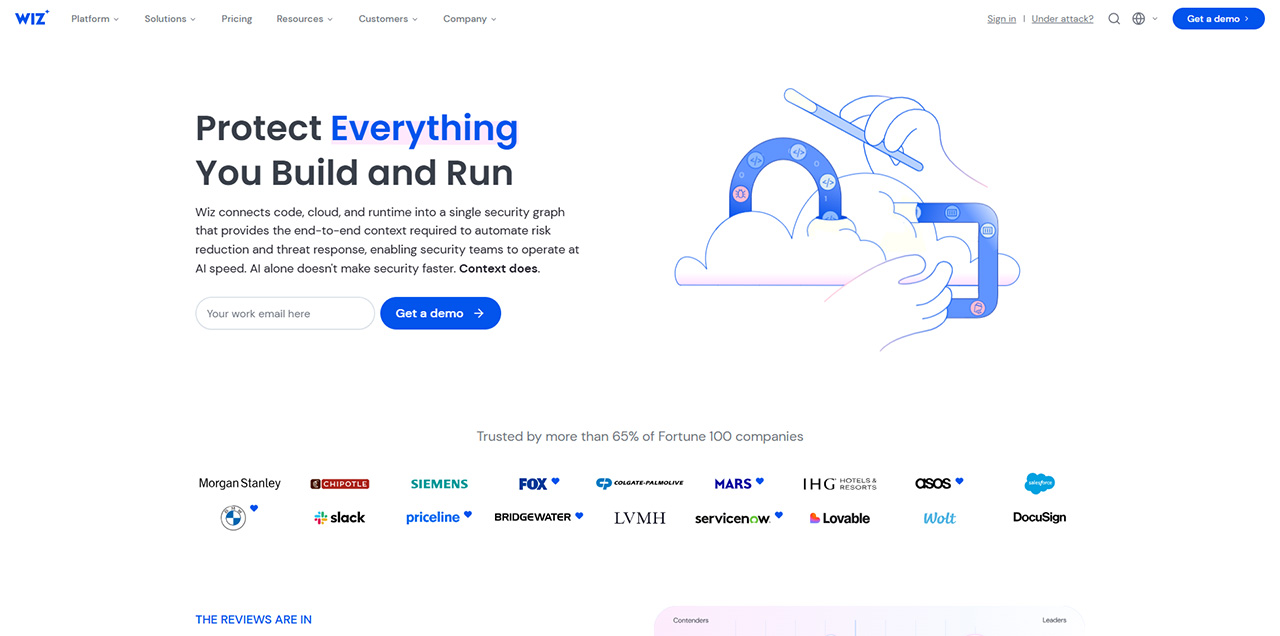
Wiz connects cloud resources and security findings to help teams understand risk in context. Its platform also extends into code security, so it should not be evaluated as an infrastructure-only product.
It is a credible candidate when a SaaS company needs a shared cloud risk view across multiple teams. Test whether its prioritization changes real decisions: for example, which exposed workload needs attention before a less consequential configuration issue. Compare the required modules and implementation effort with the organization’s actual scope.
6. Orca Security - Wide cloud assessment
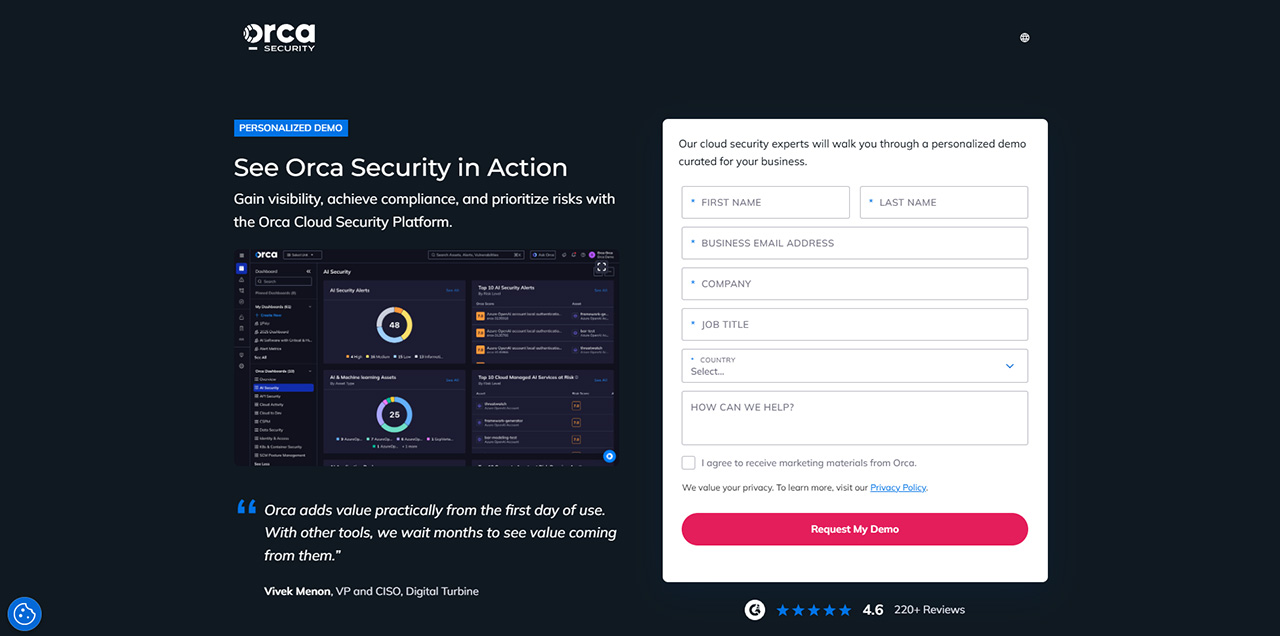
Orca employs agentless Side Scanning and cloud configuration data for cloud assessment - with even broader platform coverage. That makes it ideal for teams that want a broad initial assessment without deploying a scanner agent on every workload.
For Agencies, an appropriate use case might be an approved inspection of legacy estate before assuming ownership of the infrastructure. Inquire what controls may need extra deployment. Wide "overall view" is good but handover still needs nominated owners, evidence of remediation and a process for accepting residual risks.
Select for the handover not just the initial scan
Works great if the environment is developer owned, for SaaS: Aikido, when flexibility and control outweigh single-click integrations. Prowler for the limited or critical exposed AWS account, when quick agility is more important than a single integrated workflow. Security Hub for the client that is all AWS. Defender for Cloud for the SME security team that is all Microsoft. Wiz and Orca for the wider cloud context.
Do a quick acceptance test by doing the following prior to purchase: raise and own a problem, fix it safely, and demonstrate the change is acknowledged on next assessment. Also do a quick test of removing agency access to the contract at end. The best instrument is the one that makes both the application and the customer relationship simpler to sustain. The best cloud security tool is the one that makes both the application and the customer relationship simpler to sustain.

.png)
.png)