



Picture an editor's inbox on Monday morning. He has forty-three unread pitches. Most get deleted instantly and it’s not because the editor is cruel or lazy. It's because those pitches sound like they were written for anyone, sent to everyone, and clearly never opened the website they’re pitching. They were generic and couldn’t convince the editor to spare a second glance. Only a handful get noticed. What separates those few from the pile? They sound like people who actually looked at the site, understood what it publishes, and had a genuinely good reason to reach out. That's the entire game of SEO outreach in one sentence: it's not about sending more emails; it's about sending the right ones to the right people. This blog breaks down exactly what that looks like, step by step.
What Is SEO Outreach?
SEP outreach refers to the process of reaching out to website owners, bloggers, or editors to build relationships that lead to backlinks, mentions, or collaborations. Instead of just creating great content and waiting for people to find it, you actively reach out to people who might want to link to it, feature it, or publish it. If you do it right, it will result in high-quality backlinks that boost your site’s authority and search rankings. If done poorly, it looks like spam, and it usually gets ignored as spam.
Types of SEO outreach
There are different ways to do outreach. Different goals call for different approaches. Here's a quick breakdown of the most common types.
Guest Post Outreach: It is one of the most effective and widely used methods. It allows you to contribute real value in the form of a full article or blog and lets you reach a wide audience while naturally earning a backlink in return.
Broken Link Building: It generally works because website owners don’t want their sites to be full of errors. So, when you point out a dead or broken link and offer a working replacement, they genuinely find it useful. It's a win-win situation for both parties.
Resource Page Outreach: It targets already existing pages specifically to list helpful links, which means the recipient is already primed to say yes if your content aligns with their niche.
Influencer Outreach: It relies less on direct backlinks and more on visibility, shares, and credibility, which can indirectly lead to links from other people who discover your content through that influencer.
Unlinked Mention Outreach: It is usually the easiest method of all. In this, the person already thinks highly enough of you to mention your brand on their website. You're simply asking them to make it official with a link.
| Type | What It Involves | Best For |
| Guest Post Outreach | Pitching an original article to publish on someone else's site | Building topical authority and backlinks |
| Broken Link Building | Finding dead links on a site and suggesting your content as a replacement | Quick wins with low competition |
| Resource Page Outreach | Asking to be added to a curated list of helpful links | Niche relevance and steady traffic |
| Influencer Outreach | Connecting with niche influencers for mentions or shares | Brand visibility and social proof |
| Unlinked Mention Outreach | Asking a site that already mentioned your brand to add a link | Fast, low-effort conversions |
How to Run Successful SEO Outreach Campaigns
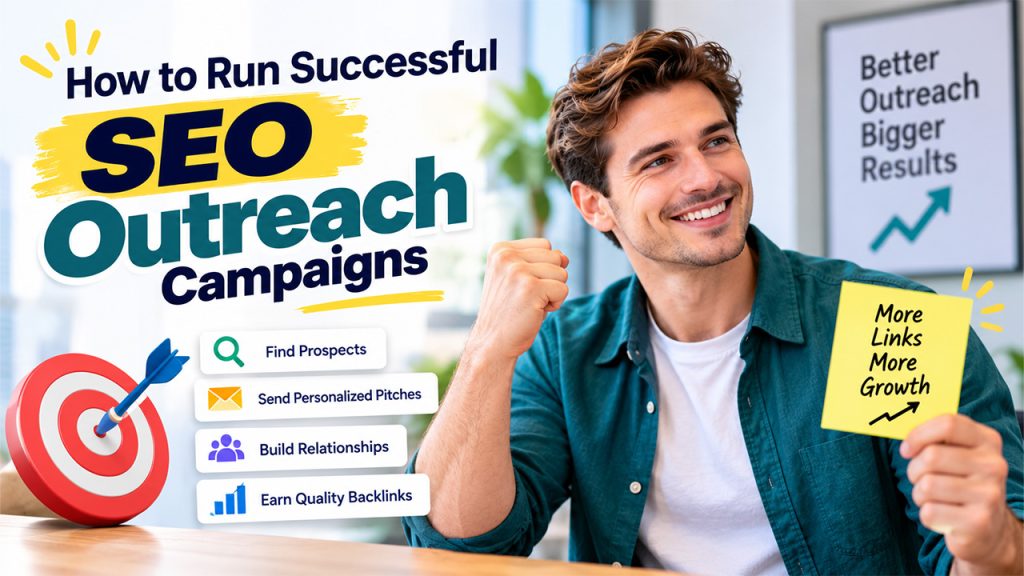
A successful SEO outreach campaign is built on relevance and relationships, from finding the right prospects to refining your results. Solid Link Building Strategies start long before the first email goes out.
Define a Clear Goal for Your Outreach Campaign: Be clear about what you want to achieve, whether it's backlinks, traffic, brand awareness, or all three. This decision affects your prospect list, your pitch, and how you'll measure results later.
Build a Focused, Quality-First Prospect List: Find websites that are relevant to your niche, have real active readers, and maintain decent editorial standards. Focus on the quality, not quantity. A shorter list of good-fit sites beats a long list of random ones.
Research Every Website Before You Pitch: Skim through the website thoroughly. Spend a few minutes actually reading a couple of their articles to test the waters. This will help you come up with something that doesn’t sound copy-pasted, and editors notice the difference immediately.
Write Short, Specific, and Human Outreach Pitches: Skip the flattery-heavy opening lines and get to the point. Mention something specific about their site and clearly state what you’re offering and why it fits.
Manage Outreach at Scale with an Automated System: Once you're contacting dozens or hundreds of sites, spreadsheets get messy fast. This is where a Guest Posting CRM becomes genuinely useful, since it helps you track replies, follow-ups, and placements without losing track of conversations.
Follow Up Without Becoming Pushy: It sounds reasonable to send one polite follow-up after five to seven days. A second one a bit later is fine too. However, after that, it’s usually best to move on and not bother them. Respect their silence as an answer.
Track Campaign Results and Refine Your Approach: Look at which pitches got replies and which didn’t. Tweak your subject lines, your opening sentences, or your prospect criteria based on what's actually working.
Common SEO Outreach Mistakes to Avoid
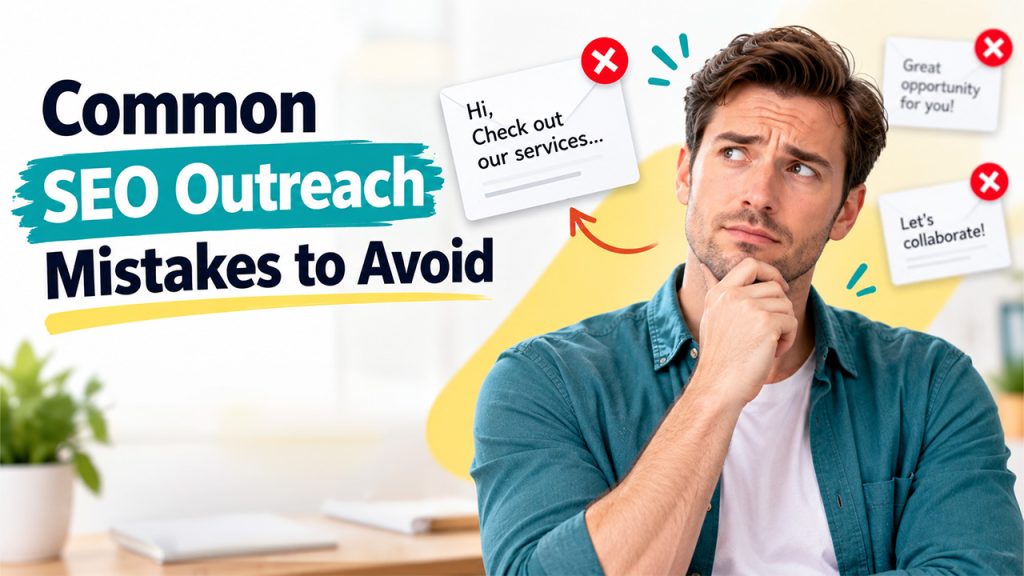
Even a well-planned campaign can fall flat when poor targeting, weak personalization, or a focus on quantity gets in the way.
Sending Generic, Copy-Pasted Outreach Emails: This is what most people generally do. They write one pitch and copy-paste it to multiple owners. Editors can spot a template in seconds, and it goes straight to the trash without a second glance.
Ignoring Website and Audience Relevance: If you’re reaching out to a travel blog with a software pitch, you’re wasting everyone’s time because it won’t work. If the content is not relevant to their niche, it’ll get ignored no matter how high that site’s domain authority looks on paper.
Making the Pitch All About Your Business: If the entire email is about how great your company is, the recipient has no reason to care. Lead with value to them, not praise for yourself.
Skipping Research on Your Outreach Contact: Lack of proper research lets you make mistakes. Getting someone’s name wrong or referencing an article they didn’t write kills credibility instantly and makes the rest of the email irrelevant.
Prioritizing Link Quantity Over Link Quality: Ten weak, irrelevant backlinks won’t be of much use, and they help far less than two or three from sites your audience actually trusts and reads.
Conclusion
SEO outreach is about sending the right emails to the right people, for the right reasons rather than sending the most emails. The websites worth linking from can be won by genuine research and a personal touch. Treat outreach as relationship-building, not a numbers game, and the backlinks tend to follow naturally. As search engines keep getting better at spotting shortcuts, this human, relevance-first approach isn't just the ethical way to do outreach; it's quickly becoming the only way that keeps working long-term.



.png)
.png)