


The guide explores what is a CRM system, how it works, its key features, benefits, and why it is an essential component for modern businesses.
In the current competitive business environment, building a strong customer relationship is among the most essential aspects for long-term success. For businesses, understanding the customers can help make a significant difference. This is where CRM comes into play.
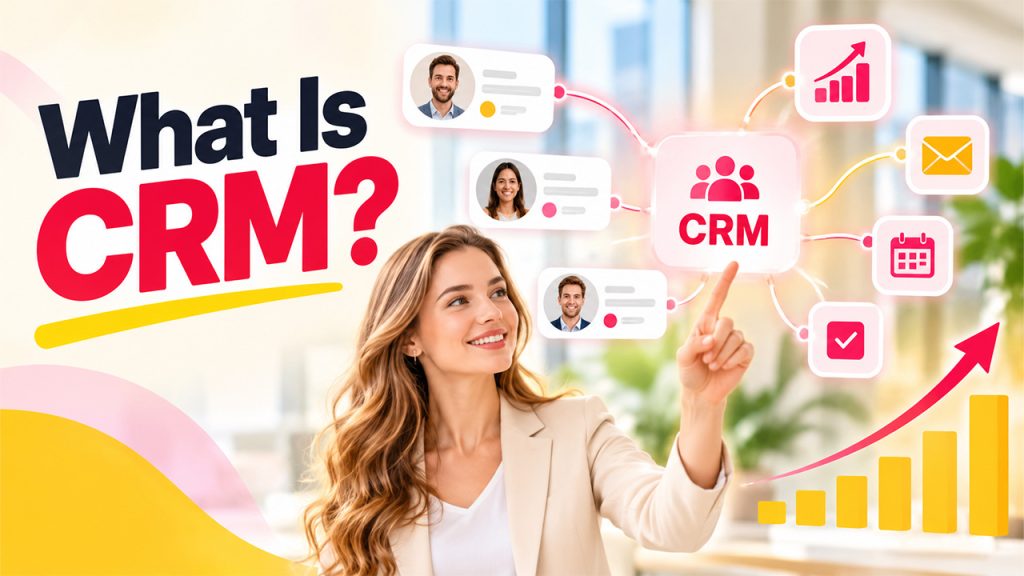
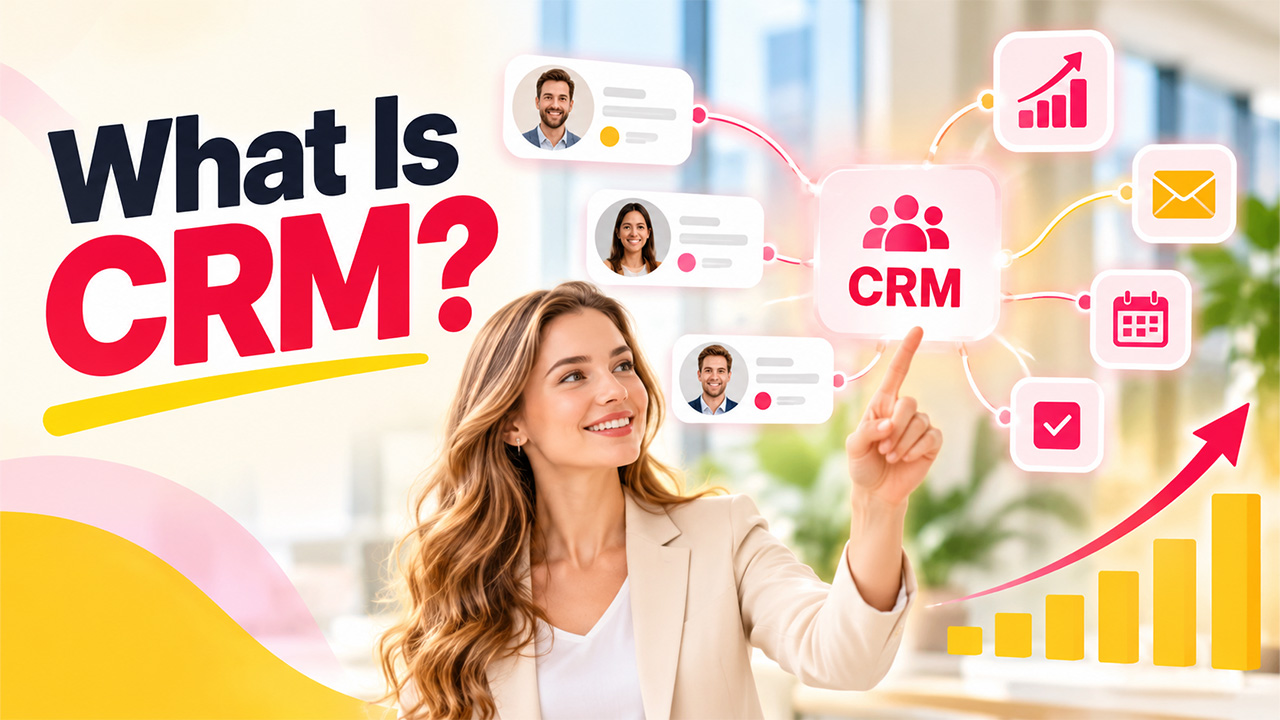
CRM, or Customer Relationship Management, is a strategy and technology that enables businesses to organize customer information, track interactions, manage sales activities, and improve customer experiences. With a CRM system, businesses can keep every bit of information organized in one place, instead of managing customer details across spreadsheets, emails, and different business platforms.
What is a CRM?
CRM, or Customer Relationship Management, refers to the process of managing the interactions and relationships of a company with existing and potential customers. A CRM system is a software solution that enables businesses to collect, store, organize, and manage customer information. It allows teams to maintain customer records, monitor conversations, track leads, manage sales pipelines, and provide better customer support.
The CRM system helps businesses store all customer information in a centralized platform, through which teams can see previous conversations, track the status of leads, schedule follow-ups, and understand each customer's requirements. The software helps build stronger customer relationships while also making everyday business operations more organized and efficient.
Features of a CRM System
Some of the key features of a CRM platform are as follows:
- Contact Management: The CRM software offers efficient contact management, allowing businesses to store and organize information in a centralized location.
- Lead Management: Lead management enables businesses to track potential customers from their first interaction to conversion.
- Sales Pipeline Management: A sales pipeline provides a visual overview of the sales process.
- Task and Follow-Up Management: CRM systems help employees schedule meetings, set reminders, assign tasks, and manage follow-ups.
Key Benefits of a CRM System
A CRM system offers various advantages for businesses of different sizes and industries. Some of the key benefits of CRM software are as follows:
- Better Customer Relationships
CRM software offers businesses a complete view of customer interactions. Through the system, employees can easily understand customer preferences, previous conversations, and specific requirements.
- Improves Sales Productivity
Through the CRM platform, sales representatives can spend considerably less time searching for customer information and managing administrative tasks. The CRM system simplifies these activities by maintaining all information organized.
- Centralized Customer Information
Managing customer data through spreadsheets and separate applications can create confusion. A CRM system stores important customer information in one place, making it easier for authorized team members to access accurate and updated records.
- Better Team Collaboration
CRM platforms allow different departments to access relevant customer information. Sales, marketing, and customer support teams can work with shared information instead of operating in separate systems.
Types of CRM Systems
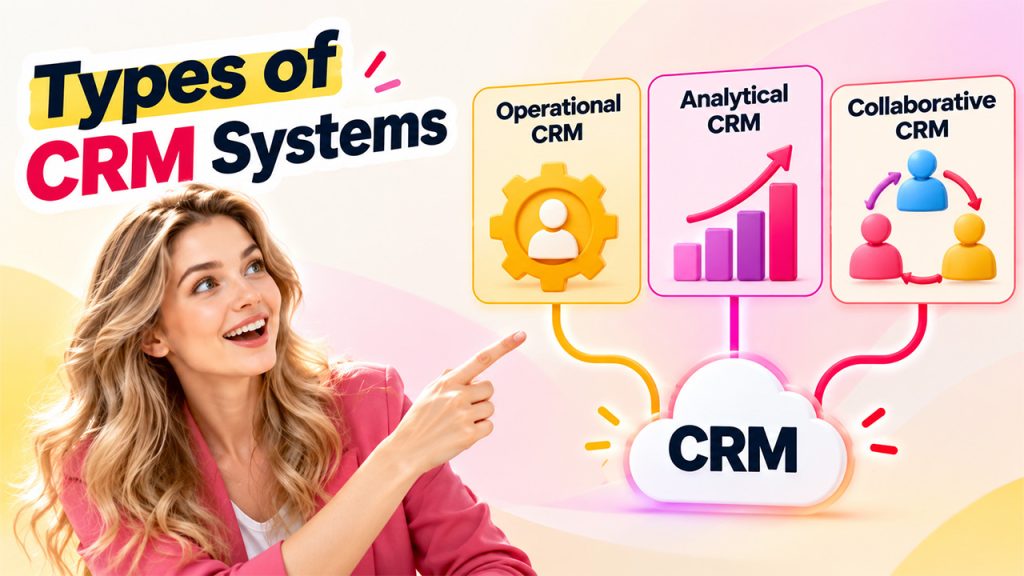
A CRM system is generally categorized into three main categories, which are based on its purpose and functionality.
Major types of a CRM system are as follows:
- Operational CRM
An Operational CRM mainly focuses on automating and improving everyday business activities. It supports sales automation, marketing automation, and customer service processes.
- Analytical CRM
The Analytical CRM focuses on collecting and analyzing customer data from different sources. The system helps businesses understand customer behavior, identify purchasing patterns, measure marketing performance, and discover opportunities for improvement.
- Collaborative CRM
A Collaborative CRM largely focuses on improving communication and information that is shared between different departments. It enables sales, marketing, and support teams to work together using shared customer information.
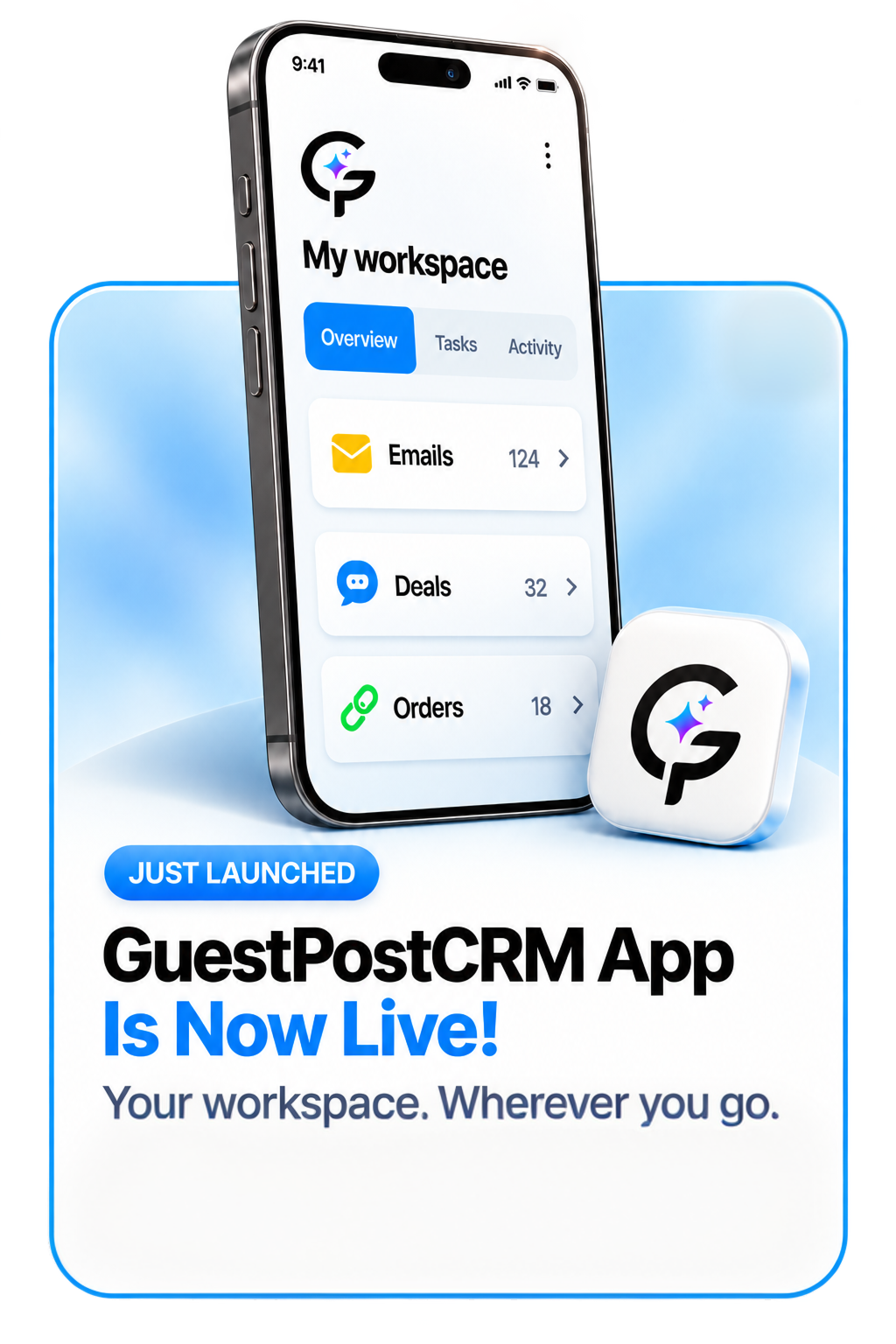
What is GuestPostCRM?
A general-purpose CRM Management Software is mainly designed to help businesses manage customer relationships, track sales leads, organize contacts, and improve communication. GuestPostCRM, whereas largely focuses on the specific needs of guest posting and outreach management.
GuestPostCRM helps streamline guest posting activities, such as managing publisher contacts, tracking outreach conversations, organizing guest post opportunities, and monitoring the progress of the campaign.
The key difference between a general-purpose CRM and GuestPostCRM is their purpose. A general-purpose CRM manages customer relationships, whereas GuestPostCRM focuses on managing guest posting relationships and workflows.
How Does a CRM System Work?
A typical workflow of a CRM system follows the given steps:
- Collecting Customer Information
The CRM system collects customer details such as names, email addresses, phone numbers, company information, purchase history, and communication records.
- Organizing Customer Data
Once information is collected, the platform organizes it into individual customer profiles.
- Tracking Customer Interactions
Every interaction, including emails, phone calls, meetings, and support requests, can be recorded. This helps businesses understand customer needs and maintain consistent communication.
- Managing Sales Activities
CRM software allows sales teams to track leads, monitor opportunities, manage sales pipelines, and schedule follow-ups.
- Analyzing Business Performance
Many CRM platforms provide reports and dashboards that help businesses monitor sales performance, customer engagement, and team productivity.
Who Needs CRM Software?
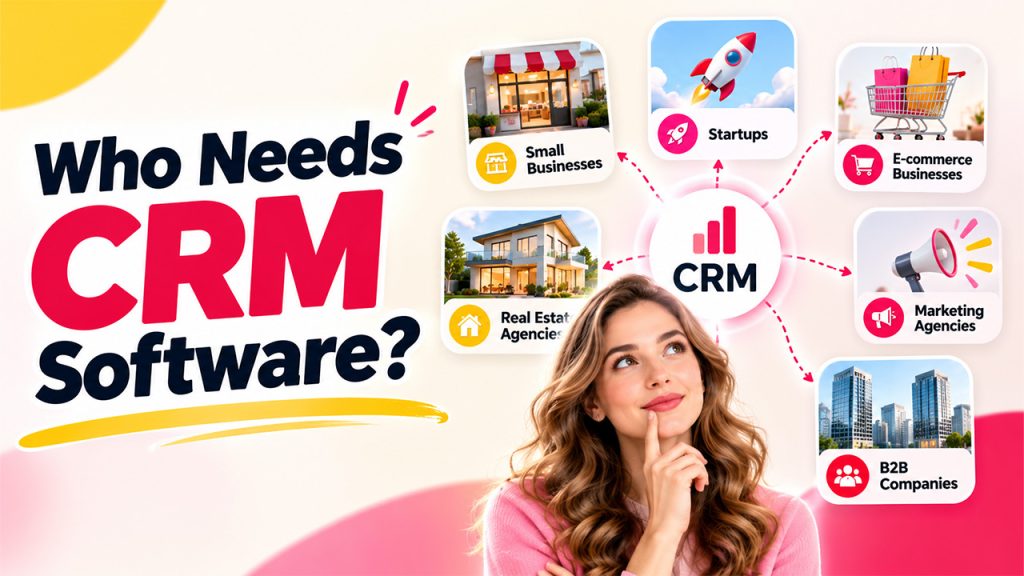
CRM software is not limited to large organizations. Businesses of different sizes and industry types can benefit from using CRM software.
Some of the key applications of CRM software across different industries are as follows:
- Small Businesses: Manage customer details, track inquiries, and organize sales activities.
- Startups: Build customer databases and establish structured sales processes.
- E-commerce Businesses: Track customer interactions, purchase history, and repeat customers.
- Real Estate Agencies: Manage property inquiries, schedule meetings, and follow up with potential buyers.
- Marketing Agencies: Organize leads, manage client relationships, and monitor campaign-related interactions.
- B2B Companies: Track long sales cycles, manage business accounts, and maintain communication with decisionmakers.
Choosing the Right CRM Software
Choosing the right CRM platform is among the most essential decisions for organizations, as different businesses have different requirements, and the platform should be able to match their needs.
Before selecting a CRM solution, businesses should consider the following factors:
- Identify the Business Requirements
Businesses should start by identifying their business needs that they want to achieve with CRM software. Businesses should ask questions like: Do they need contact management, sales tracking, marketing automation, or customer support features?
- Check Ease of Use
Choose software with a simple interface that the employees can learn and use without extensive training.
- Consider Budget
Compare subscription plans, available features, and additional costs. Small businesses can explore some of the best free CRM software that can be a good starting point.
- Evaluate Customization Options
Businesses should have a CRM that allows them to customize workflows, customer fields, and sales pipelines.
Conclusion
A CRM system helps businesses organize customer information, track leads, manage sales activities, improve team collaboration, and deliver better customer experiences. The right CRM software can simplify daily operations and support long-term growth. In the future of customer relationship management, it is expected that the platform will continue to evolve, especially as technology advances. Modern CRM platforms are becoming smarter, more automated, and increasingly focused on personalized customer experiences.