


.png)
.png)
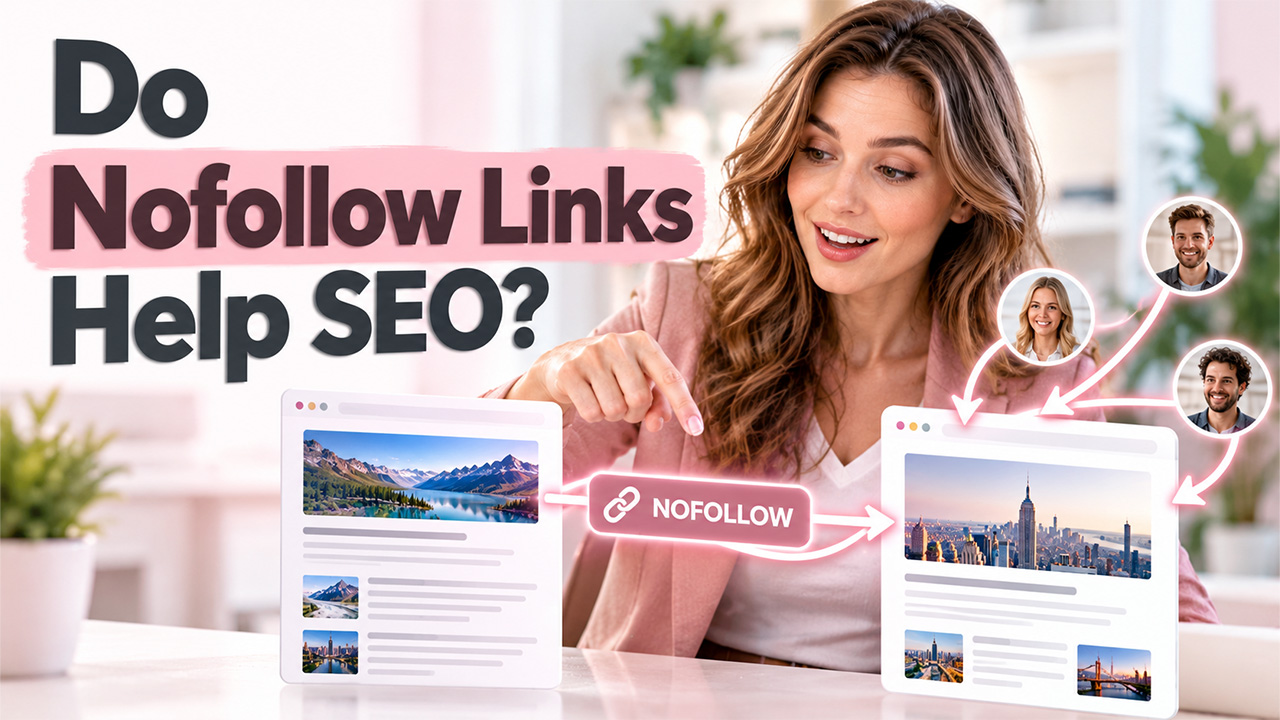
Suppose people use two ways to find a newly opened shop in town. A neighbor says, “You must try this place; I trust them completely.” Another person simply sees a sign on the corner that points the way. The first is a personal recommendation while the second is a signpost. Both bring people in, though using different ways. Links on the web behave the same way. Dofollow links act like recommendations, while nofollow links act like signs. Many marketers or SEO professionals overlook the signs. But the question is: do nofollow links help SEO? The answer is more interesting than just a simple yes or no.
What Is a Nofollow Link?
A nofollow link refers to a link with a small tag attached to its code, written as “rel=nofollow.” That tag tells search engines not to treat this link as an endorsement. The purpose of nofollow links is to fight spam, mostly in blog comments. However, back in 2019, Google announced a change in how it handles the tag. Now, it treats nofollow as a sign or hint instead of a strict rule. This means Google may still pay attention to the link. Moreover, Google also added two more labels so that site owners can be more specific: "sponsored" for paid links and "ugc" for user-generated content, like forum posts and comments.
Nofollow vs. Dofollow Links: Key Differences Explained
Here's a quick side-by-side comparison between dofollow and nofollow links:
| Feature | Dofollow Link | Nofollow Link |
| Code tag | No special tag (the default) | rel="nofollow" |
| What it tells search engines | "I vouch for this page." | "I'm not vouching, but here's the link." |
| Ranking credit passed | Usually passes it | Treated as a hint; passes little or none directly |
| Where you often see it | Editorial mentions, guest posts, partner sites | Comments, forums, paid ads, social media |
| Can it bring visitors? | Yes | Yes |
| Best for | Building authority | Visibility, trust and a natural profile |
Benefits of Nofollow Links Beyond SEO Rankings
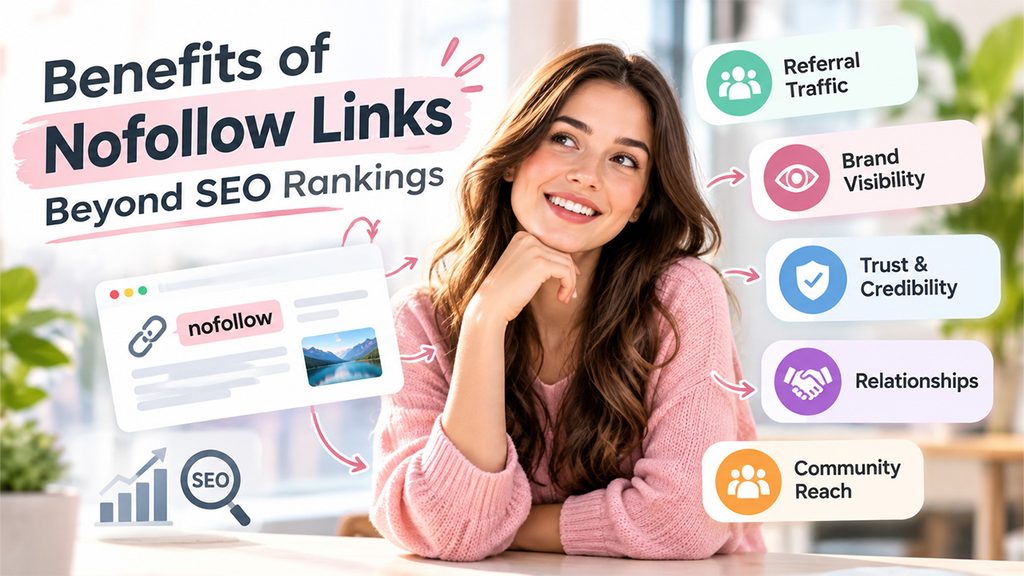
When you ask a marketer, “Do nofollow links help SEO?”, most of them will say no and move on. They don’t realize what nofollow links do beyond search rankings.
Referral Traffic: A nofollow link still sends real visitors. Someone clicking through from a busy forum thread or a news article doesn't care about the tag in the code. Those visits can turn into sign-ups, sales, or loyal readers.
Brand Visibility: If your brand name shows up on well-known sites, you will reach fresh audiences. People usually remember brands that they see in several places, even when the links carry no ranking credit.
Trust and Credibility: When a reputable website mentions you on their page, it makes your business look more credible and reliable. Readers notice the name and think it’s worth giving it a try. That small bit of confidence often decides who gets the click later.
Relationships: You don’t need anything to build a long-lasting partnership. Many strong
partnerships start small. Often, good SEO outreach begins with posting a comment, a quote or a shared resource, and that first friendly link can grow into a real collaboration.
Community Reach: Most of the links that you see on social media, forums, and Q&A are nofollow. Still, that's where conversations happen, so the visitors who arrive from there tend to be curious and engaged.
How Nofollow Links Support Your SEO Strategy
SEO is not limited to rankings only, and nofollow links quietly support the bigger picture. Here's where they fit and what they do:
- A Natural BackLink Profile: Genuine websites collect different links over time. If every link that points to you is dofollow, it will look planned or manipulated. Mix nofollow links with dofollow to make your profile look like it grew on its own, which is exactly how it should look.
- Easier Discovery: Google has started treating nofollow as a hint, so it may look at some of these nofollow links and find your pages through them. If you’re just starting your SEO journey, that can mean getting noticed a little sooner.
- Nofollow Links Can Lead to Dofollow Links: If someone finds you with the help of a nofollow link, they might mention you in an article with a regular link. This boosts your visibility, which often leads to links you earn naturally.
- Balanced Link Building Strategies: Strong link building strategies don't chase just one type of link. They prioritize relevance, quality and variety, and nofollow links are useful in supporting that mix.
- Support Safer Link Building: Using the right tags on paid and user-generated links keeps you inside Google's guidelines. That protects your site from penalties and keeps your reputation clean.
Do Nofollow Links Help SEO Rankings Directly?
So, do nofollow links help SEO directly? No, not usually. Google only treats them as a hint, so they don’t reliably affect rankings the way dofollow links do. A single nofollow link won’t push your page up the results overnight. However, its indirect effects are real. More visitors, more brand searches, and more chances of earning dofollow links can all support your rankings over time. Nobody outside Google can say exactly how much weight these links carry, so treat them as a helper, not a shortcut. Dofollow links still lead to authority.
How to Use Nofollow Links Effectively
If you’re still asking, do nofollow links help SEO enough to bother with? Try these tips and judge for yourself.
Use the Right Attributes for Paid and User-Generated Links: Follow Google’s rules and use appropriate tags. Use nofollow for ads, and affiliate links, “sponsored” for paid placements, and “ugc” for content that your visitors post.
Evaluate Nofollow Links Before Rejecting Them: When you reach out to sites, don't walk away from a nofollow link just because of the tag. Look at the site's relevance, audience, and reputation first.
Prioritize Link Quality Over Link Attributes: A nofollow link on a respected, relevant site is worth more than a dofollow link on a spammy page. Ask yourself, "Would a real person click this?"
Maintain a Natural Mix of Nofollow and Dofollow Links: Aim for variety, with both dofollow and nofollow links from different kinds of sites. That's what a normal, growing website looks like.
Track and Manage Your Link-Building Activities: Record where each link lives, what type it is and whether it's still live. A link-building CRM can hold contacts, replies and link status in one place, so your SEO outreach doesn't turn into a tangled spreadsheet.
Avoid Spammy Link-Building Practices: Dropping links in comments or forums just to get a link adds little value, and it can hurt your reputation. Join the conversation honestly instead.
Conclusion
So, do nofollow links help SEO? Not by passing direct ranking power but calling them useless misses the bigger picture. They bring visitors, build trust, support discovery and keep your link profile looking natural. The smartest move is simple. Chase quality and relevance first and treat the tag as a secondary detail. A good link is a good link, whatever the tag says. Tag paid and user-generated links correctly, keep a balanced mix, and track your progress. Search engines keep changing how they read links. Sites that earn links from many trusted places will be ready for whatever comes next.

.png)
.png)