

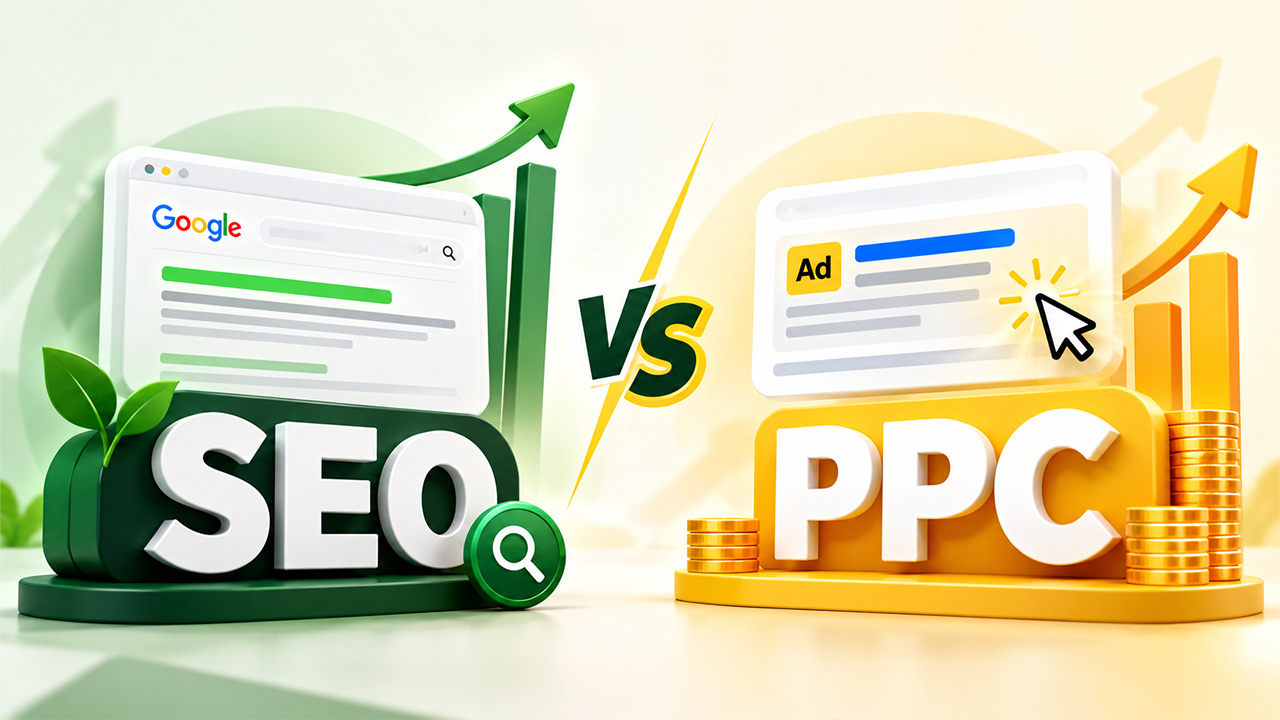


Search engines are utilized by companies because they help find customers, generate traffic to websites, and produce leads. SEO is a process meant to improve visibility in organic search results, while PPC gets visibility through ads. Both things serve digital marketing purposes, but they are different in terms of price, speed, and final result. Understanding SEO vs PPC helps businesses choose the right approach to improve search visibility and attract potential customers. Some companies opt for one of the approaches, whereas others prefer to employ both of them in order to get access to more customers.
SEO vs PPC: Basic Overview
Both SEO and PPC serve to promote a website through search engines; however, they are done in two different ways. With SEO, you increase the visibility of your website organically, while PPC relies on paid marketing campaigns to ensure your ads are shown to the selected audience.
Definition of SEO
SEO, i.e. search engine optimization, is a process of enhancing the website in terms of content, structure, and technical features in order to boost its standing in organic search results. As an outcome, search engines know the website pages better and be able to connect them with corresponding queries. Clear, well-structured pages can also help content appear in newer search experiences such as Google AI Mode.
SEO comprises a number of activities, such as keyword research, content development, internal linking strategies, technical improvements, and link building. For example, a marketing firm writes a good article on email marketing tools and optimizes it with some key phrases related to the topic. Later on, after achieving high positions, the article will start bringing traffic free of charge. This difference is one of the main factors businesses consider when comparing SEO vs PPC for their marketing goals.
Definition of PPC
PPC, or pay-per-click, is a method of online advertising in which the advertiser is charged once his ad receives a click. Google Ads is a well-known PPC example that is utilized with search results pages and other places where ads can be placed.
PPC allows firms to run ad campaigns based on a set of keywords, geographical locations, target audiences, and customer interests. For example, a company offering CRM software can create a PPC ad campaign that targets keywords related to the company's CRM. A company can use SEO vs PPC as a starting point when deciding whether to invest in organic content, paid ads, or both.
SEO vs PPC: What's the Main Difference?
The main difference between SEO and PPC is how websites gain visibility in search results. SEO earns organic visibility through relevant content and website improvements, while PPC purchases advertising opportunities through paid campaigns. Here is a comparison of PPC vs SEO across important factors.
| Comparison Factor | SEO | PPC |
| Traffic Source | Organic search results | Paid advertisements |
| Cost | Investment in content and maintenance | Requires an advertising budget |
| Time to See Results | Takes time to build visibility | Generate traffic soon after launch |
| Traffic Duration | Continues while pages rank | declines when ads stop running |
| Performance Control | Depends on rankings and competition | Advertiser controls budget and targeting |
The SEO vs PPC comparison shows how each strategy differs in cost, traffic duration, and control over search visibility.
SEO vs PPC: Benefits of SEO and PPC
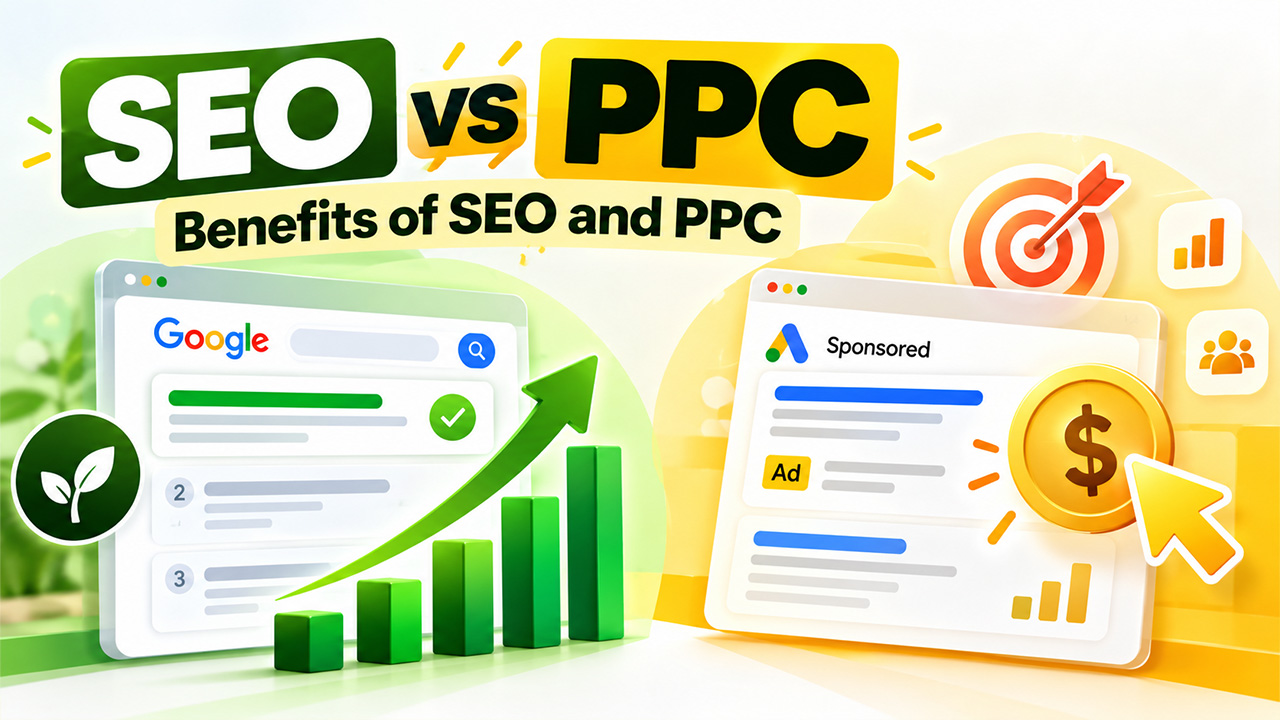
SEO and PPC have various advantages for businesses that use them correctly. Below are the benefits of each, as well as examples of how they can complement each other.
Benefits of SEO
• Long-term Visibility: Properly optimized pages will appear in search results for a long time (depending on the optimization techniques). However, traffic from SEO is a long-term investment, and the results may come in months from now.
• No Budget for Clicks: Unlike PPC, SEO does not require a business to spend money on “Google clicks.” At the same time, search engine optimization (SEO) requires time and effort to optimize web pages and track rankings and traffic.
• Target the Right Audience: Businesses that sell a specific niche or offer unique solutions target their customers with content.
• Increases Credibility: SEO helps build trust with customers by providing them with relevant information about the business or service. A company’s page or blog post’s credibility is formed based on the content’s relevance, quality of writing, and website structure.
Using SEO tools, companies can conduct keyword research, analyze their competitors, track changes in their rankings, and identify problems on their site. When evaluating SEO vs PPC, businesses should consider how organic traffic supports their long-term marketing goals.
Benefits of PPC
• Quick Visibility: Depending on the platform, searches may begin the same day the account is opened. However, this method requires constant optimization.
• Targeted Audience: Businesses can narrow the target audience by location, search terms, and even the time of day.
• The Possibility of Testing Hypotheses: Multiple options can be tested simultaneously to determine the most effective headlines, offers, page designs, and calls to action. Businesses can see what elements attract users to the page.
• Analytics: It becomes possible to collect statistics on the number of clicks, money spent, and profit from the Google Ads campaign.
In conclusion, businesses can use both methods at once, but to achieve different goals. For example, while SEO is slowly building credibility and organic traffic, PPC can be used to advertise a new product.
How Can You Measure SEO and PPC Performance?
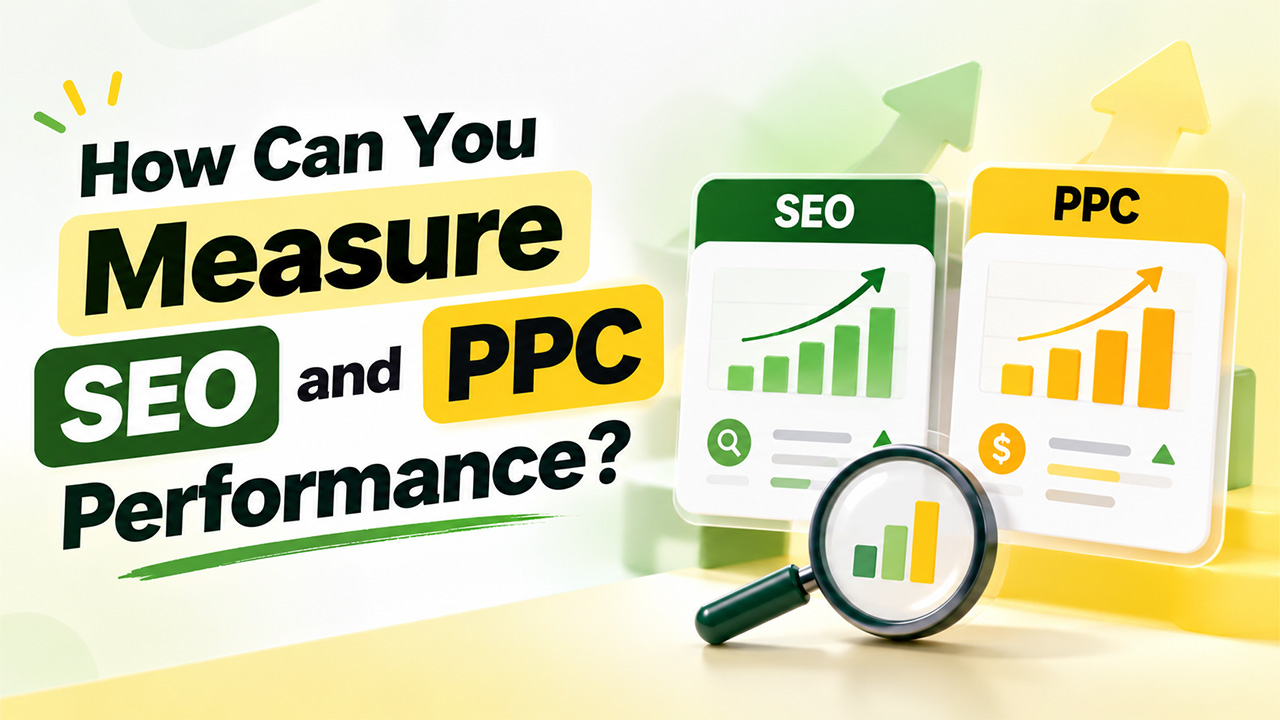
Marketing teams must measure key metrics to see if their marketing efforts are aligning with the business goals. With Performance Analytics, marketers can compare traffic, engagement, conversions, and costs for each strategy.
Measuring SEO Performance
Organic visibility and visitors' engagement on your website drive search engine optimization results. They are measures to look for:
- Organic Traffic: The quantity of traffic from automatic, organic entries.
- Keyword Rankings: The order in which pages of your website rank for specific keywords.
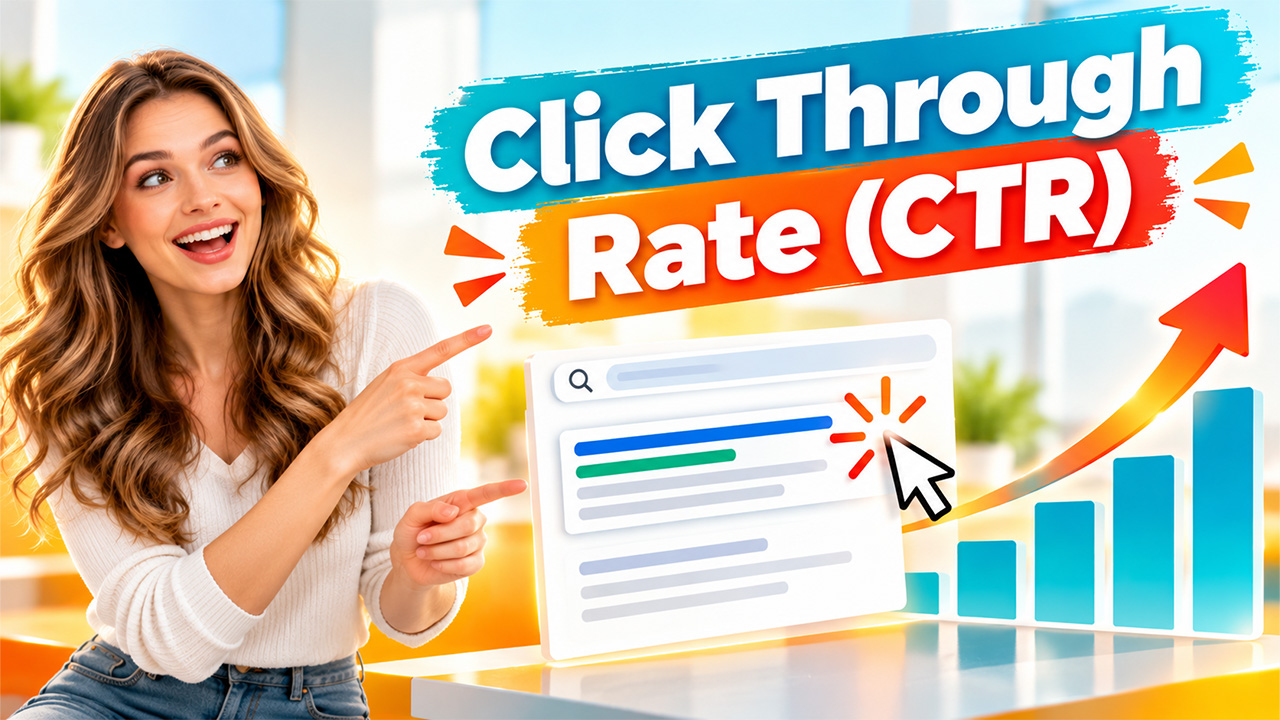
- Click-through Rate (CTR): The number of clicks divided by the number of impressions.
- Conversions: Actions like form submissions, sales or sign-ups.
- Engagement: How visitors interact with website content.
Google Search Console allows companies to review impressions, searches, CTR, and the average position of searches. Analytics tools can show companies what organic users do on site and which pages customers are converting on.
Measuring PPC Performance
PPC metrics let you know how ad expenditures convert into traffic and revenue. The most common metrics marketers want to monitor include:
- Impressions and Clicks: How often ads are seen and how many click-throughs they get.
- Cost Per Click (CPC): The average price you pay for each click.
- Conversion Rate: The percentage of clicks that result in a desired action.
- Cost Per Acquisition (CPA): The cost of advertising to achieve a conversion.
- Return on Ad Spend (ROAS): The revenue generated from ads compared to ad costs.
Marketers should also measure these metrics in relation to their business goals. Having a high traffic volume doesn't necessarily equate to great results, so the number of conversions, the quality of leads and revenue should all be monitored. Tracking these metrics makes SEO vs PPC easier to evaluate based on conversions, costs, and overall marketing performance.
Conclusion
Both SEO and PPC play their respective roles in bringing clients to businesses in the market since these two have different applications. While SEO aims to achieve organic visibility through good site quality and content, PPC gives companies instant exposure to their desired audience. When comparing SEO vs PPC, the right choice depends on the budget, competition in the industry, business goals, and time frame for the promotion.
Businesses can also explore a full-funnel digital marketing agency approach to align marketing activities with customer needs at different stages of the buying journey. Those interested in attracting organic website traffic can focus on SEO. On the other hand, if a company offers something time-sensitive, it can take advantage of PPC. However, it is possible to mix up the two strategies for desired results.