


.png)
.png)
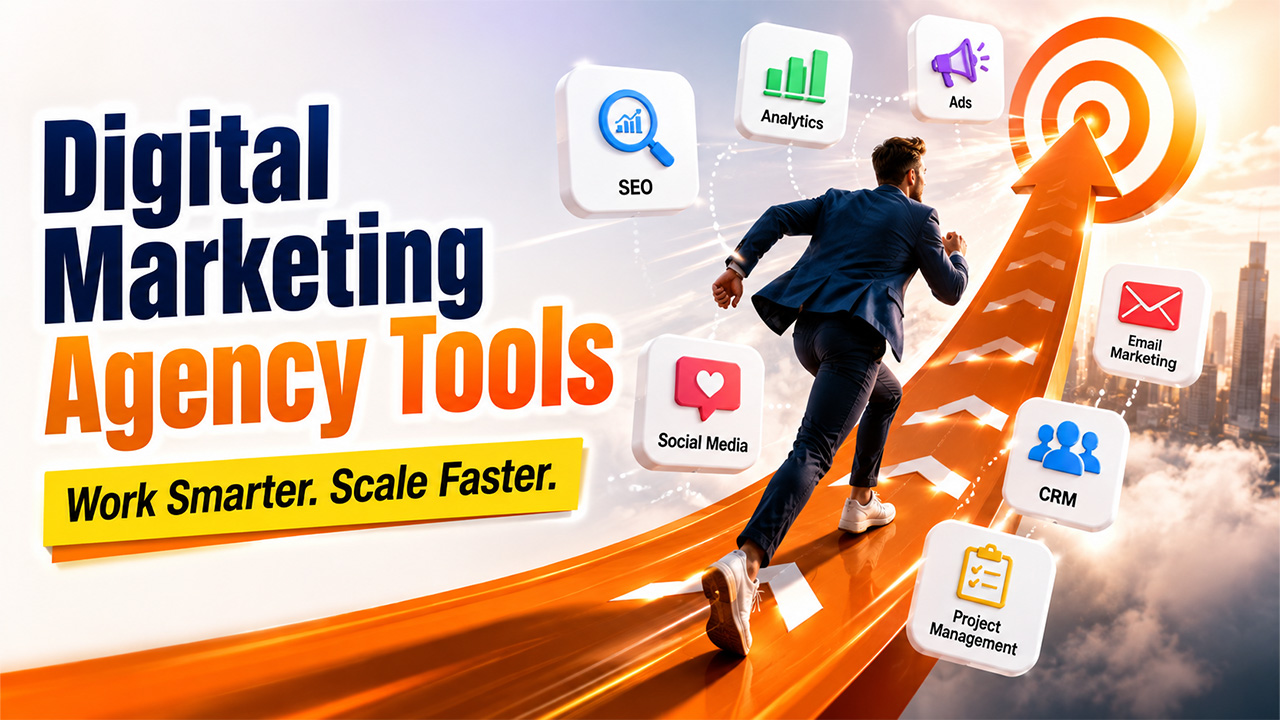
The guide explores the best 15 digital marketing agency tools for SEO, content marketing, social media, analytics, advertising, email marketing, and project management. The article also compares each tool in detail and explains how to choose the best tool in 2026.
In the recent few years, digital marketing has become more competitive. Digital marketing agencies offer key benefits to businesses, such as attracting the right audience, creating valuable content, managing campaigns, understanding customer behavior, and measuring results. Digital marketing agencies generally perform all these tasks manually, making it difficult to stay competitive.
For a digital marketing agency, the right tool can help automate various repetitive tasks, improve campaign performance, streamline collaboration, and provide valuable insights for better decision-making. Agencies can also use platforms such as GuestPostCRM to organize client and lead management activities and improve their overall workflow.
What are Digital Marketing Agency Tools?
Digital marketing agency tools are a specialized set of software platforms that help marketing agencies in planning, executing, automating, monitoring, and optimizing digital marketing campaigns. This set of tools helps the agencies manage multiple clients, analyze performance, create content, reach target audiences, and demonstrate measurable results.
The specialized tools for digital marketing agencies help improve efficiency and productivity, instead of handling them manually.
Types of Digital Marketing Agency Tools:
There are various types of essential digital marketing agency tools, which include:
- SEO Tools: These tools help with keyword research, competitor analysis, backlink monitoring, and website audits. Agencies can explore different Best SEO Tools and platforms such as SimilarWeb to analyze website traffic, understand competitors, and identify opportunities for improving their marketing strategies.
- Analytics Tools: These tools help track website traffic, user behavior, conversions, and campaign performance.
- Social Media Tools: Social media tools help agencies in scheduling, publishing, monitoring, and analyzing social media content.
- Content and Design Tools: The content and design tools make it easier to create blogs, graphics, videos, presentations, and other marketing assets.
- Email Marketing Tools: These tools support newsletters, automated campaigns, audience segmentation, and lead nurturing.
- Advertising Tools: Advertising solutions help agencies in creating, managing, targeting, and optimizing paid advertising campaigns.
- CRM and Automation Tools: The solutions help organize customer information, automate workflows, and manage leads.
15 Best Digital Marketing Agency Tools
Some of the most popular digital marketing agency tools are listed below. If the user is looking for a broader overview beyond agency-specific platforms, check out our guide to Best Digital Marketing Tools for additional solutions that can support different areas of your marketing strategy.
1. SEMrush
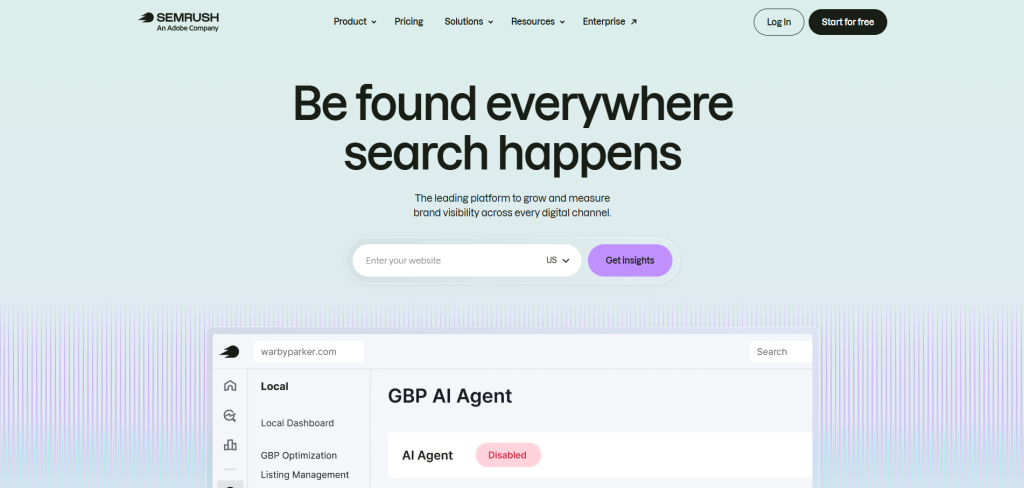
SEMrush is among the most popular all-in-one digital marketing platforms, which is widely used by digital marketing agencies for SEO, competitor research, keyword analysis, content marketing, and website auditing. The platform helps marketers identify growth opportunities and monitor campaign performance.
Key Features:
- Keyword and competitor research
- Site audits and technical SEO analysis
- Backlink analysis
- Rank tracking
- Content and SEO recommendations
Limitations
- The platform can feel overwhelming for beginners.
2. Ahrefs
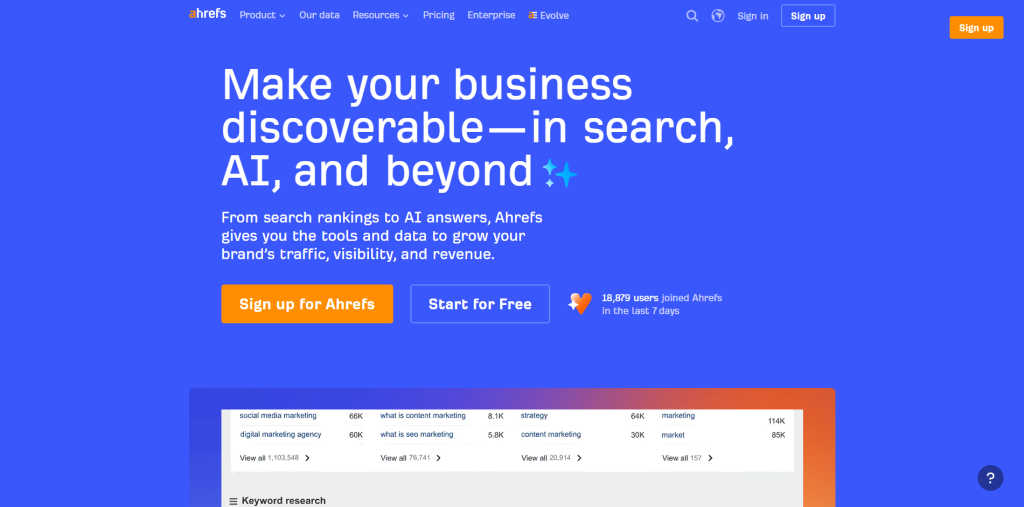
Ahrefs is among the most powerful SEO toolsets, which is particularly recognized for backlink analysis, keyword research, competitor analysis, and content research. The tool is generally used by agencies to identify opportunities and improve organic search visibility.
Key Features
- Keyword Explorer
- Site Explorer
- Backlink analysis
- Competitor research
- Site auditing
Limitations
- It can be difficult for beginners to interpret data.
3. Google Analytics
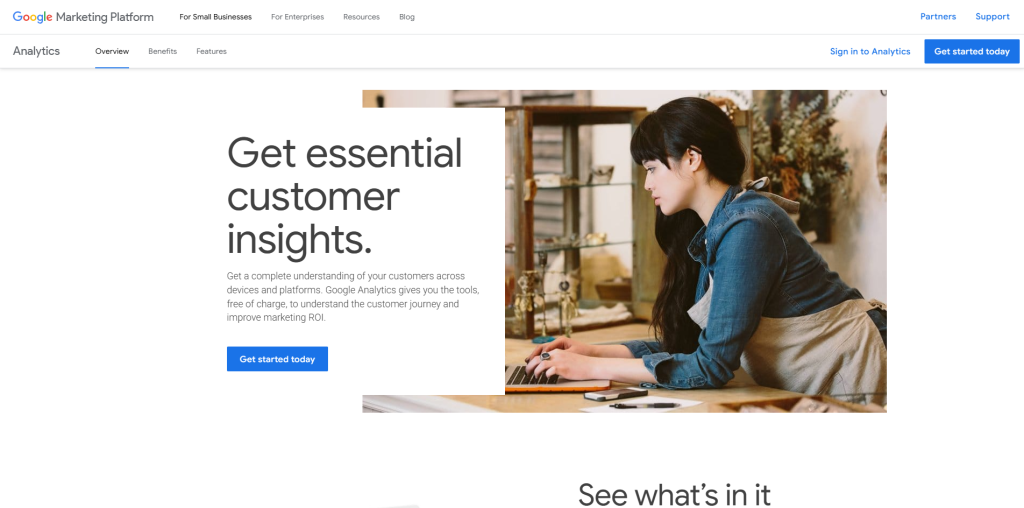
Google Analytics is a website and app analytics platform that is used to understand how users find and interact with digital properties. Agencies can use the tool to measure traffic, engagement, conversions, and customer journeys.
Key Features
- Traffic source analysis
- User and engagement reporting
- Conversion and event tracking
- Audience insights
- Campaign measurement
Limitations
- It has a steep learning curve, particularly for users unfamiliar with analytics concepts.
4. Google Search Console
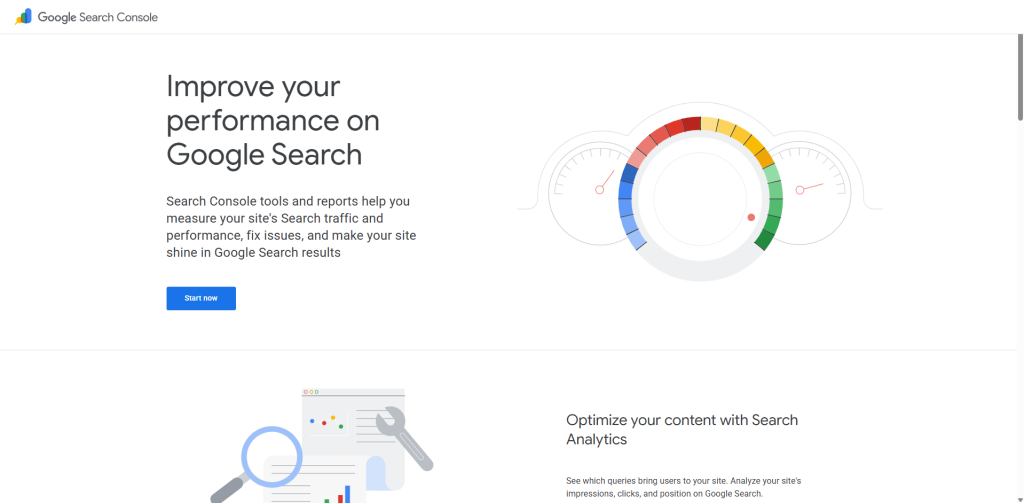
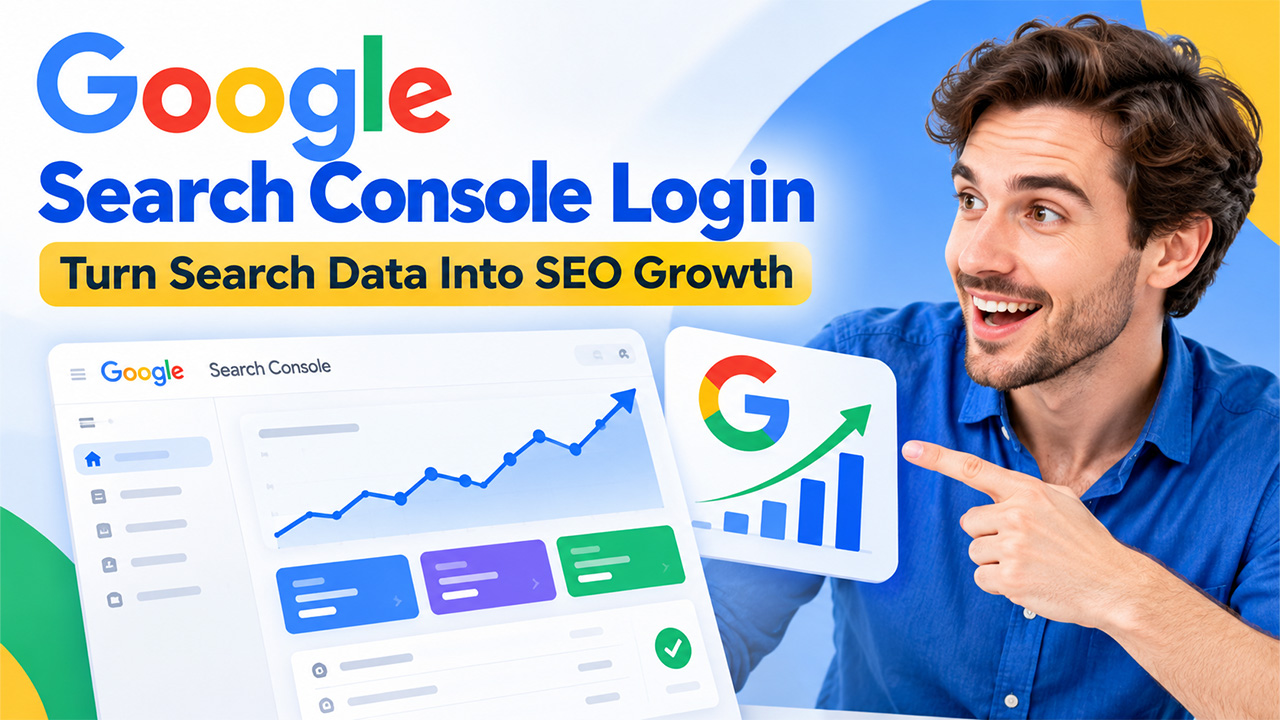
Google Search Console is a free Google service that helps website owners and marketers monitor the performance and presence of their site in Google Search. The tool provides valuable information about search queries, clicks, impressions, and indexing.
Key Features
- Search performance reports
- Keyword and query insights
- Indexing monitoring
- URL inspection
- Sitemap management
Limitations
- It only focuses on Google's search ecosystem.
5. HubSpot
HubSpot is a comprehensive customer platform that combines CRM, marketing, sales, customer service, and automation capabilities. The tool is particularly essential for agencies that need to manage lead generation, campaigns, automation, and customer journeys from a single platform.
Key Features
- CRM and contact management
- Lead generation and nurturing
- Email marketing
- Marketing automation
- Landing pages and forms
Limitations
- Advanced features can become expensive as the business grows.
6. Canva
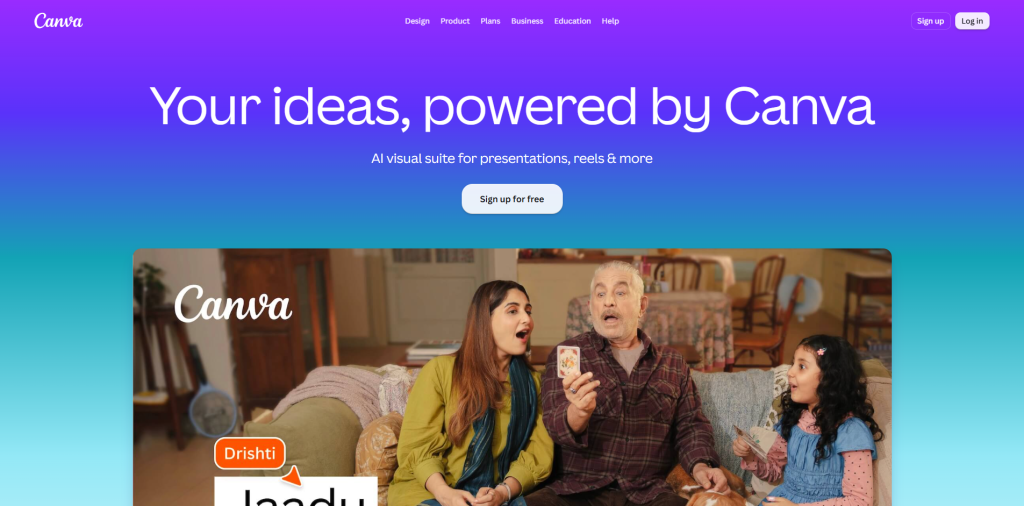
Canva is a visual design and content creation platform that enables marketers to create professional-looking graphics without any extensive graphic design experience. The platform can be used for social media posts, presentations, advertisements, videos, documents, and other marketing materials.
Key Features
- Social media templates
- Presentation design
- Video creation and editing
- Image editing
- Brand kits
Limitations
- Many premium templates, images, and features require a paid plan.
- Because templates are widely used, poorly customized designs can sometimes look generic.
7. Hootsuite
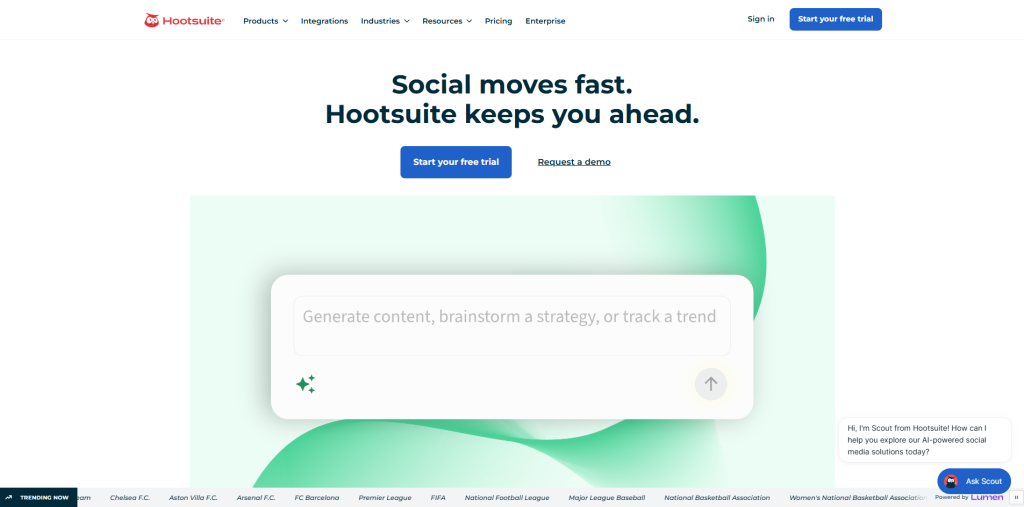
Hootsuite is a social media management platform that is especially designed to help businesses and agencies manage multiple social networks from a single dashboard. The platform supports content planning, publishing, engagement, social listening, and performance measurements.
Key Features
- Social media scheduling
- Content calendar
- Multi-platform publishing
- Social listening
- Brand and keyword monitoring
Limitations
- Advanced features can be expensive for small agencies.
- The number of features can create a learning curve for new users.
8. Mailchimp
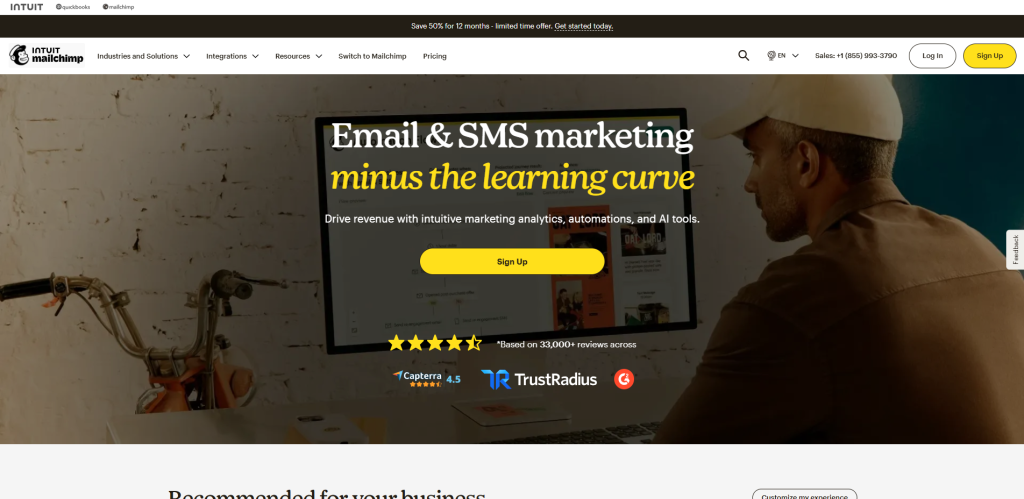
Mailchimp is among the most popular marketing platforms, which was originally designed for email marketing. The platform provides tools for audience management, email campaigns, automation, landing pages, analytics, and other marketing activities.
Key Features
- Email campaign creation
- Email templates
- Audience segmentation
- Marketing automation
- Customer journeys
Limitations
- Costs can increase as contact lists and marketing requirements grow.
- Advanced features may require higher-priced plans.
9. Google Ads
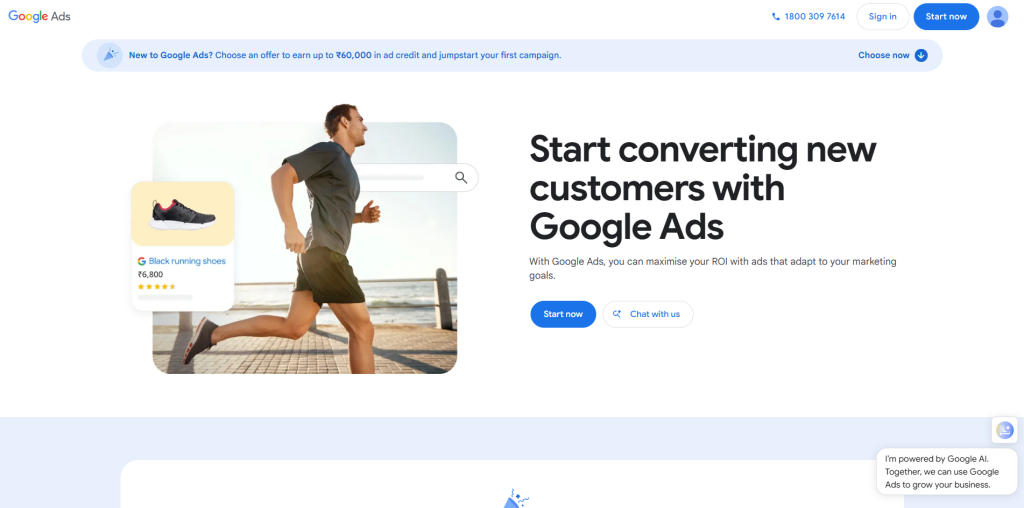
Google Ads is an online advertisement platform by Google. The platform is designed to create paid campaigns that can reach potential customers through Google's advertising ecosystem.
Key Features
- Search advertising
- Display advertising
- YouTube advertising
- Keyword targeting
- Audience targeting
Limitations
- Advertising costs can become significant in competitive industries.
- Poor keyword targeting can quickly waste advertising budgets.
10. Meta Ads Manager
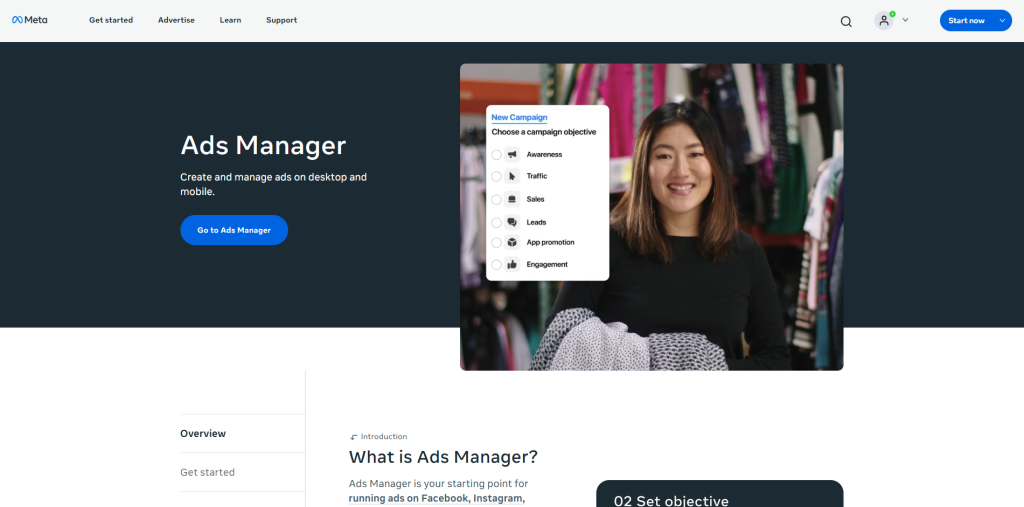
Meta Ads Manager is an advertising platform that is used to create and manage paid advertising campaigns across the advertising ecosystem of Meta, which includes Facebook and Instagram. The platform offers tools for audience targeting, campaign management, creative testing, optimization, and performance analysis.
Key Features
- Facebook and Instagram advertising
- Audience targeting
- Custom and lookalike audiences
- Retargeting
- Multiple ad formats
Limitations
- Campaign performance can fluctuate due to changes in audience behavior and platform algorithms.
- Effective advertising requires strong creative assets and continuous testing.
11. Google Looker Studio
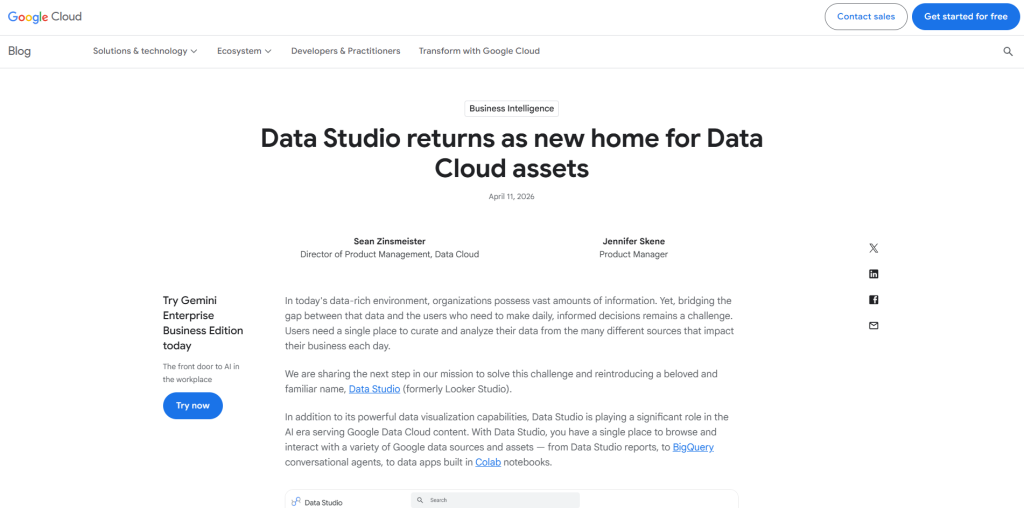
Google Looker Studio is a reporting and data visualization tool that helps digital marketing agencies turn data into interactive dashboards and reports. The platform enables agencies to create customized client reports that can bring campaign and website performance data into an easier-to-understand format.
Key Features
- Interactive dashboards
- Custom reports
- Data visualization
- Multiple data sources
- Charts and graphs
Limitations
- Complex reports can require considerable setup and data knowledge.
- Report performance can decline when dashboards contain large amounts of complex data.
12. Trello
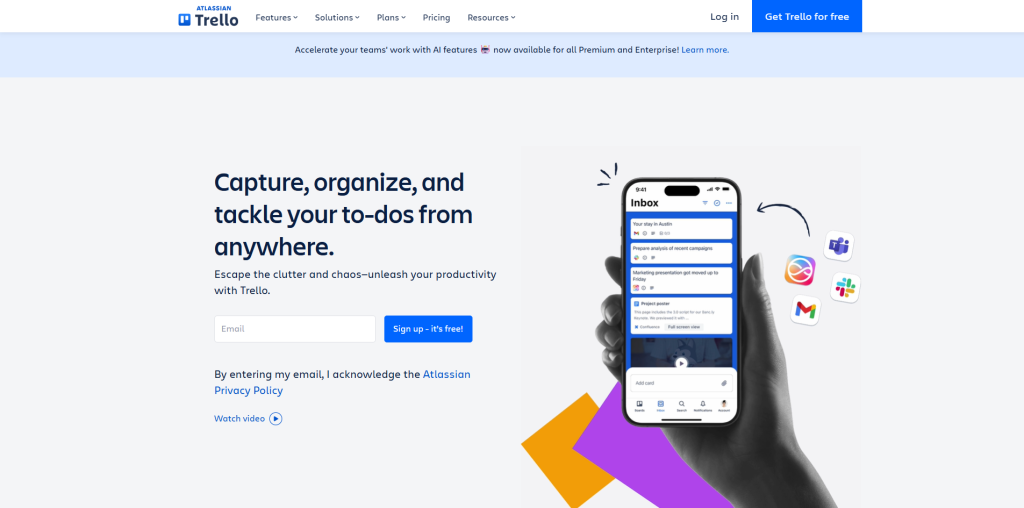
Trello is a project and task management platform that is based around boards, lists, and cards. The platform is used for organizing marketing campaigns, content calendars, client tasks, approvals, and team workflows.
Key Features
- Boards and cards
- Task management
- Content calendars
- Checklists
- Due dates
Limitations
- Very large or complex projects may require more advanced project-management functionality.
- Boards can become cluttered when teams manage numerous tasks.
13. Slack
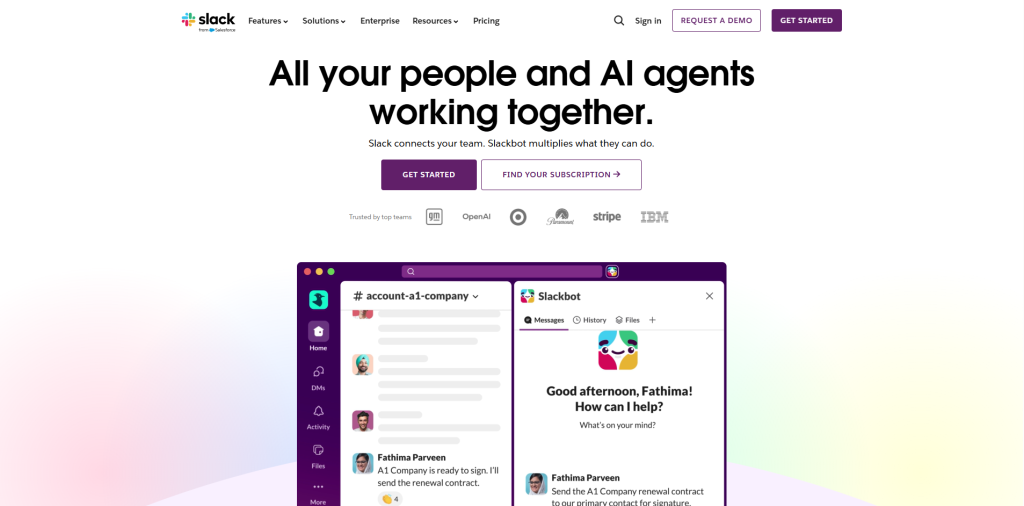
When reviewing Slack pricing and comparing Slack alternatives for agency teams, many businesses explore Lark, an all-in-one workspace that combines messaging, document collaboration and video conferencing.
Key Features
- Project and team channels
- Direct messaging
- File sharing
- Audio/video huddles
- Searchable conversations
Limitations
- Too many channels and notifications can become distracting.
- Important information can get buried in conversations.
14. Hotjar
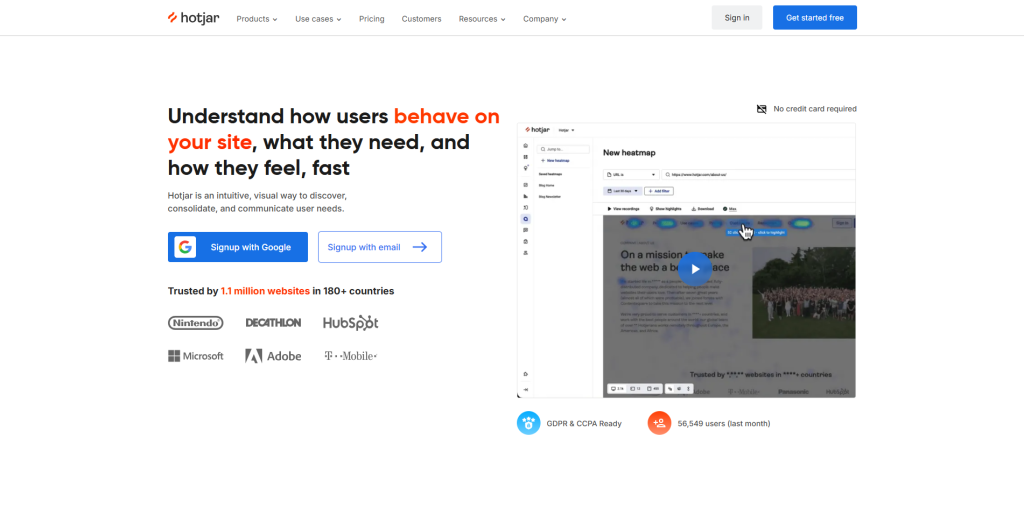
Hotjar is a website behavior analytics and user feedback platform. The platform helps marketers understand how visitors interact with a website beyond traditional traffic metrics.
Key Features
- Heatmaps
- Session recordings/replay
- User feedback
- Surveys
- Website behavior analysis
- Identification of user drop-offs
Limitations
- Interpreting user behavior still requires marketing and UX expertise.
- Large websites and high traffic volumes may require higher-tier plans.
15. Zapier
Zapier is a workflow automation platform that connects different applications, so businesses can automate repetitive tasks. For agencies, Zapier can connect lead forms, CRMs, email platforms, spreadsheets, project management tools, and communication platforms.
Businesses can also explore Productivity Tools for Professionals to find additional solutions for improving day-to-day efficiency.
Key Features
- App-to-app automation
- Trigger-and-action workflows
- Lead management automation
- Data transfer between applications
- Filters and conditional logic
Limitations
- Large-scale automation can become expensive as task volume increases.
- Complex workflows require careful planning and testing.
How to Choose the Right Digital Marketing Agency Tools?
Choosing the right digital marketing agency tool mainly depends on the goal, services, team size, and budget of the agency. Before selecting the right digital marketing agency tools, businesses need to consider the following:
- Business Goals: Businesses should choose tools that directly support the objective of the business.
- Features: Users also need to make sure that the tool provided offers all the essential features for the team.
- Ease of Use: Select a platform that is easy for the team to learn and use.
- Scalability: Choose a solution that can support more clients, users, campaigns, and data.
Conclusion
The right digital marketing agency tool can help businesses streamline workflows, improve productivity, automate repetitive tasks, and make data-driven decisions. In digital marketing, each tool serves a specific purpose, from SEO and analytics to social media and project management. The agencies should select tools based on their goals, team requirements, budget, and scalability to build an efficient marketing technology stack, instead of using every available platform.


.png)
.png)